
July 21, 2026
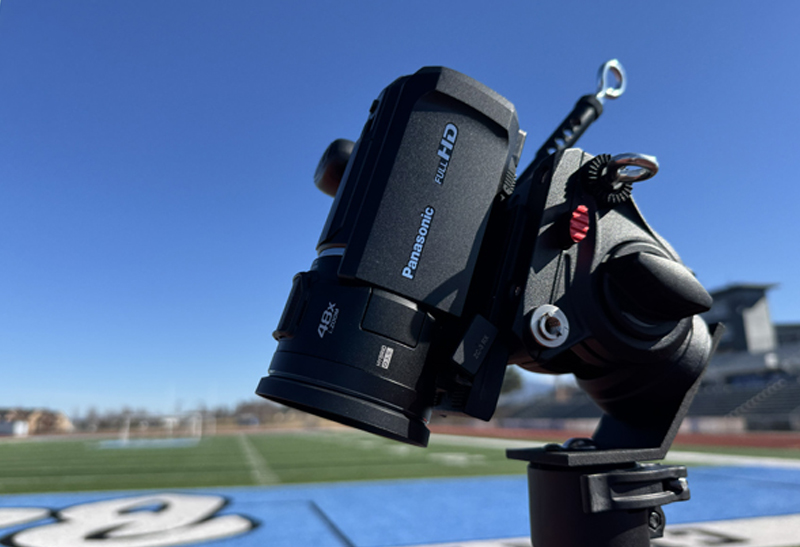
A missed third-down call is frustrating. A missed third-down angle because the camera was too low, the tripod shifted, or the battery died is avoidable. When coaches ask what equipment films football games, the answer is not simply “a good camera.” Reliable football video comes from a complete system: the right camera, the right elevation, a stable support structure, dependable power, and a workflow the staff can run under game-day pressure.
For most programs, the goal is clear footage that captures all 22 players, follows the ball, and gets to coaches quickly for breakdown or sideline replay. The exact setup depends on the venue, staff size, budget, and platform requirements, but the fundamentals do not change.
A football filming setup needs five working parts: a camera, an elevated mounting system, a stable tripod or base, power and storage, and a practical method for operating and transferring video. If one part is weak, the quality of the whole operation suffers.
The camera records the game, but elevation creates the coaching angle. The tripod keeps the picture steady. Batteries and media keep recording from stopping at halftime. The operator controls zoom, framing, and file handling. Programs that buy only a camera often learn this the hard way when they still cannot get a usable endzone shot.
Football game film does not require a cinema rig. It requires a camera that can record continuously, maintain focus, handle changing light, and produce footage that remains clear when coaches zoom in during film review.
A quality HD or 4K camcorder with optical zoom is usually the most practical choice. Optical zoom matters because it preserves image detail when the action moves downfield. Digital zoom can make a distant play look larger, but it also softens the image - exactly what a coach does not need when evaluating leverage, blocking assignments, or route spacing.
Look for straightforward manual control of zoom and exposure, dependable image stabilization, external battery options, and recording formats your staff can use with its existing video platform. A camera should be easy enough for a student manager or volunteer to operate after basic training. The most sophisticated camera in the world is not helpful if only one person knows how to run it.
Action cameras and phones can help with short clips, social content, or an extra sideline angle. They are rarely the best primary game-film solution. Their wide lenses, limited zoom, battery life, and mounting limitations make it difficult to capture a full field and preserve the detail coaches need.
The best camera cannot fix a poor angle. Football is played in layers: receivers release behind the line, linebackers fit gaps, safeties rotate, and the ball may travel across half the field. A low sideline view can hide those details behind players, coaches, and chain crews.
That is why serious programs use elevated endzone and press box filming positions. The endzone angle gives coaches a clean view of fronts, blocking surfaces, run fits, coverage structure, and special teams lanes. The press box or high sideline angle shows route concepts, spacing, motion, and the full development of a play.
For game-day endzone film, a 25-foot camera system provides the height needed to see over players while maintaining a useful coaching perspective. The camera should be positioned behind the end zone, centered as closely as field access allows, and high enough to view the line of scrimmage without shooting through bodies.
Height alone is not enough. The system needs a stable base, secure locking sections, and controls the operator can use without fighting the equipment. A manual pole and control setup is often the reliable choice because it removes common points of failure found in motorized or wireless systems. When the game is about to start, a staff does not need another device to charge, pair, update, or troubleshoot.
A well-designed endzone system should transport easily, set up in minutes, and hold its position through wind and normal game-day movement. It should also allow the operator to make controlled adjustments rather than jerking the camera to keep up with the play.
When a press box, stadium platform, or elevated home-side location is available, a heavy-duty press box tripod setup is the other essential game angle. This is not the place for a lightweight consumer tripod with narrow legs and a small head. Long football recordings expose every weakness in a support system: vibration, drifting pan heads, loose locks, and unstable footing.
A dependable press box tripod needs a wide, secure stance and a fluid head that pans smoothly without sticking. It should support the full camera weight plus any accessories, then remain stable as the operator follows action from sideline to sideline. The operator should be able to frame the entire formation before the snap, stay wide enough to capture routes and defensive movement, and zoom only when it adds value.
For many programs, the combination of high sideline film and endzone film creates the most complete coaching package. If a budget requires prioritizing one angle first, consider the program’s immediate needs. Teams focused on offensive and defensive evaluation often gain significant value from endzone video. Teams with reliable endzone access but inconsistent high-angle footage may need the press box setup first.
The unglamorous parts of a filming kit often decide whether the video makes it to the final whistle. Every game setup should include spare batteries, charged memory cards with enough capacity for the full event, weather protection, and a way to secure cables and accessories.
Use a pregame checklist. Confirm camera battery levels, clear and format media when appropriate, test recording, check the time and date settings, and verify that the tripod, pole sections, and locks are fully secured. If the program uses a replay or upload platform, test that workflow before kickoff rather than assuming a new device or update will cooperate.
A small equipment case matters, too. It keeps batteries, chargers, cards, cables, tools, and weather covers in one place. That saves time when staff members rotate and reduces the chance that a critical item is left in an office or bus.
Rain, wind, cold, and long travel days are normal parts of a football season. Choose equipment designed to handle repeated setup and teardown, not gear that works only in ideal conditions. Weather protection does not mean filming in unsafe conditions. Follow school policy, venue rules, and lightning protocols every time.
Game-day elevation is valuable, but practice video is where coaches build daily teaching habits. A 10-foot practice pole gives a useful elevated view of team periods, inside run, seven-on-seven, special teams, and individual drills without the size or deployment needs of a full endzone system.
The objective at practice is not always to capture the entire field. It may be to see a position group’s alignment, review hand placement, confirm a run-fit drill, or show a quarterback how coverage changed after the snap. A portable practice pole makes those angles accessible and lets staff move quickly from period to period.
This is another place where simple operation wins. A coach or manager should be able to set up the pole, mount the camera, frame the drill, and start recording without consuming valuable practice time. Equipment that stays in storage because it takes too long to deploy does not help player development.
Before purchasing, identify how video moves through your program. Do you upload after the game? Need clips available during halftime? Use a sideline replay platform? Assign filming to managers, assistants, or a dedicated technology coordinator? The answers affect camera selection, cabling, storage, and operating procedures.
Game Day Endzone systems are designed around this practical reality, including compatibility with established tools such as Hudl Sideline, EDGE Replay, Game Strat, and SkyCoach. Compatibility is not just a technical specification. It means staff can capture, transfer, and use video without rebuilding the workflow they already rely on.
Avoid buying based only on a feature list. A motorized system may sound impressive, but the right question is whether it adds meaningful value for your staff or adds another failure point. A cheaper tripod may reduce the purchase price, but it is expensive if shaky footage prevents useful evaluation. The best value is equipment that works every time, remains simple to operate, and lasts through seasons of travel and use.
When the first whistle blows, video staff should be focused on the field, not on fixing gear. Build a filming system around stable elevation, clear optics, dependable power, and a setup your people can repeat without hesitation. That is how game film becomes a coaching tool instead of another game-day problem.