
August 22, 2026
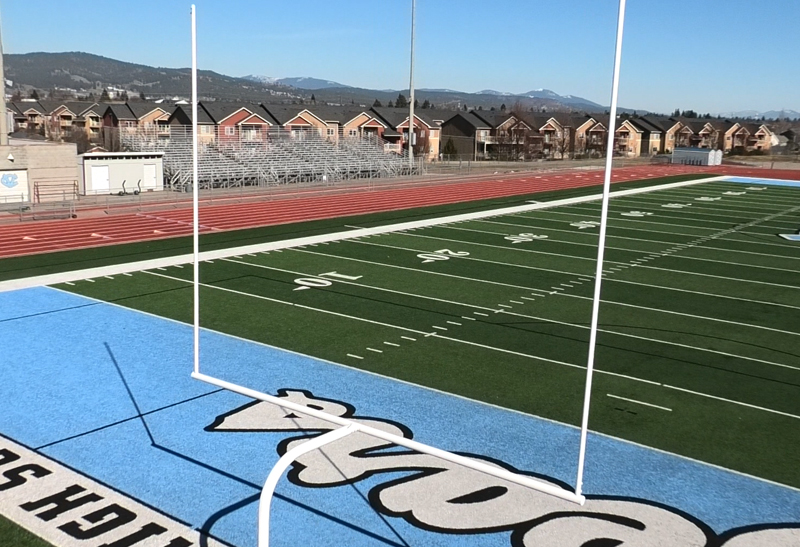
A missed angle can cost a staff more than a good clip. If the end zone video is shaky, too tight, poorly framed, or unavailable when the offense reaches the red zone, coaches lose a useful teaching and decision-making tool. The top endzone camera features are not about adding technology for its own sake. They are the features that help a football program capture clear, usable video every game and practice - without turning setup into another game-day problem.
For most high school and academy programs, the right system has to work with limited personnel, changing weather, busy sidelines, and the replay platform already in place. That makes reliability, stability, height, and simple control more valuable than a long list of automated functions.
End zone footage has one job that sideline film cannot do as well: show the structure of the play. Coaches need to see formations, spacing, fronts, run fits, route distribution, safety movement, and the timing between the quarterback and the rest of the offense. To do that, the camera needs a clear view above players, coaches, and equipment near the back of the end zone.
A 25-foot camera system is a practical standard for game filming because it creates the elevated angle needed to see the full field width and the depth of the play. Height alone is not the point. The useful result is a wider, cleaner coaching view that lets staff evaluate all 22 players instead of following only the ball.
More height is not always automatically better. A system that is too tall for its base, difficult to transport, or slow to deploy can create its own problems. The best setup balances elevation with a stable support structure and an operating process your staff can repeat quickly.
A tall pole on a weak tripod is not a dependable filming system. Wind, uneven ground, cable movement, and normal camera adjustments can all introduce shake into the footage. That is frustrating during film review and can make live replay less useful when coaches need a clear look immediately.
Look for a tripod built to support the height and weight of the complete camera setup. A broad stance, durable construction, secure leg locks, and a reliable head matter because every part of the system affects image stability. The camera should stay where the operator puts it, even as the game speeds up.
This is also where buyers should separate general-purpose camera gear from equipment designed around football operations. A lightweight tripod may be convenient in a gym or for short video shoots. On a field, with a tall mast and a full game ahead, stability is the feature that protects the quality of every clip.
Video quality starts with the lens. Coaches do not need cinematic footage. They need footage where player numbers, alignments, leverage, and ball movement can be identified without guessing. Premium optics help preserve detail across a wide field of view, particularly when the camera is elevated and working at distance.
A useful end zone setup should give the operator enough zoom range to frame the game properly without forcing the camera too tight. If the image is too wide, it can be difficult to see assignments. If it is too zoomed in, the film loses the coverage and spacing that make the end zone angle valuable.
Low-light performance also deserves attention. Many varsity games begin in daylight and finish under stadium lights. A camera that looks acceptable at kickoff but produces dark, grainy video by the fourth quarter is not meeting the program's needs. Test or verify how the full system performs in the lighting conditions your team regularly faces.
Game-day equipment should not require a technology specialist to operate. A coach, manager, parent volunteer, or video assistant should be able to set the system, make basic framing adjustments, and keep filming without troubleshooting wireless connections or complicated motor controls.
Manual pan, tilt, and zoom controls remain a smart choice for many football programs. They provide direct control, reduce potential failure points, and allow an operator to make quick adjustments without waiting on an app, battery-powered motor, or signal connection. A manually controlled system is not less professional. In many cases, it is more dependable because it is simpler.
Motorized systems can make sense in specialized environments with dedicated operators and reliable power management. But for programs that value fast deployment and consistent operation, manual control often delivers the better day-to-day result. The question is not whether a feature looks advanced. The question is whether it works every time your staff needs it.
The best camera system is the one that actually gets used. If setup takes 20 minutes, requires several people, or involves a complicated sequence of cables and components, it is more likely to be skipped for sub-varsity games, practices, or road trips.
A well-designed end zone camera system should be ready in less than five minutes with a repeatable process: position the tripod, extend the pole, mount the camera, frame the field, and begin recording. Quick setup protects staff time and makes it easier to maintain consistent video standards across the program.
Portability matters just as much. Teams move gear from storage rooms to buses, practice fields, stadiums, and away venues. A system should break down into manageable components, travel securely, and be easy to carry without sacrificing the strength needed for game-day use. There is a trade-off here: ultra-light equipment may be easier to move, but it can give up the stability a tall system requires. Choose the system that matches your staff and typical filming locations.
End zone video is most valuable when it fits the way your coaches already work. Before purchasing equipment, confirm that the camera and recording method support your program's replay and upload workflow. Many staffs rely on platforms such as Hudl Sideline, EDGE Replay, GameStrat, or SkyCoach to review clips during a game and organize film afterward.
Compatibility is more than whether a camera can record video. It includes the device used to capture footage, the connection method, file handling, battery strategy, and how quickly the video reaches the coaches who need it. A strong camera image does not help much if the staff cannot get it into the replay process efficiently.
Ask practical questions before game night. Can the system maintain a stable connection where you normally set up? Is there a backup recording option if live replay drops? Does the operator have a clear cable path that will not interfere with the tripod or create a sideline hazard? Those answers determine whether the system supports coaching decisions or creates distractions.
Football video equipment gets handled often. It is loaded into vehicles, carried across parking lots, used in heat and cold, and set up on grass, turf, and uneven surfaces. Durable materials, secure fittings, and components built for frequent assembly are essential features, not upgrades.
Pay attention to the parts that take regular stress: tripod locks, pole sections, mounting hardware, camera brackets, cables, and carrying cases. A weak connection point can sideline an otherwise good system. The value of durable construction is not just a longer product life. It is the confidence that the equipment will be ready when your team is.
Warranty coverage and responsive technical support matter here, too. A football program does not have the luxury of waiting through several games to resolve an equipment issue. Work with a provider that understands how the system is used and can help staff solve a real operational problem quickly.
There is no single perfect configuration for every program. A varsity team filming Friday nights may need a 25-foot end zone system and a press box tripod for a complete game view. A program focused on daily player development may also benefit from a 10-foot practice pole that can move quickly between periods and fields.
Start with the footage your coaches need most, then choose equipment that supports that job consistently. If game replay is the priority, favor stability, clear optics, and proven platform compatibility. If practice film is the priority, fast setup and portability may carry more weight. Programs that need both should consider a coordinated package rather than trying to force one piece of equipment into every role.
Game Day Endzone systems are designed around that practical reality: reliable elevated video, straightforward manual operation, and equipment built for the pace of football. The right feature set should make your video operation quieter and more consistent, so coaches can spend their attention where it belongs - teaching players and winning the next rep.