
May 27, 2026
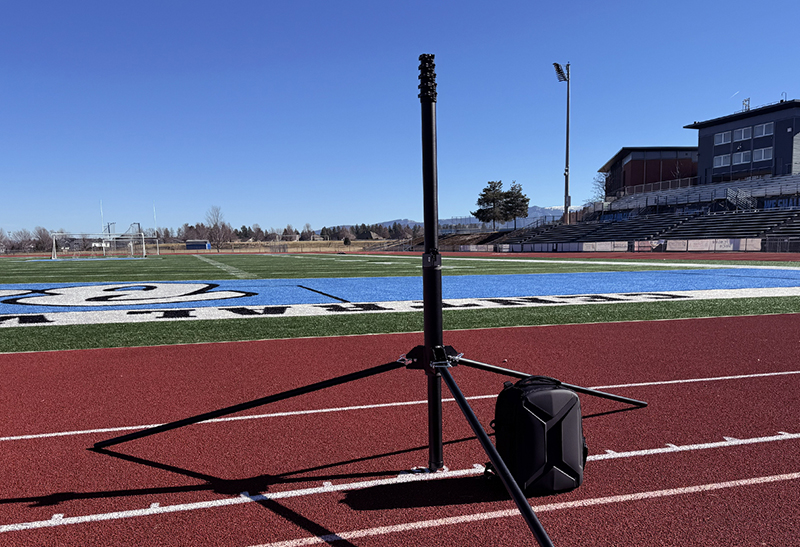
A touchdown can be ruined on film by three seconds of camera shake. If your staff is trying to tag plays, coach technique, or feed sideline replay, shaky footage slows everything down. When coaches ask how to reduce shaky game film, the answer usually is not a camera setting. It is the system - the tripod, the height, the operator, the wind load, and the way the setup handles real Friday night conditions.
Most unstable footage starts with movement at the base, not at the lens. A camera can only be as steady as the platform under it, and football filming puts more stress on that platform than people expect. Elevated poles catch wind. Tight sideline spaces lead to bumps. Lightweight tripods flex when the operator pans too hard or stops too abruptly.
The second issue is magnification. The tighter the zoom, the more every small vibration shows up on screen. What feels like a minor hand movement at the control point becomes obvious when you are framed on the box, quarterback, and secondary. That is why a setup can seem fine during warmups and then look rough once the operator starts tracking live action.
There is also a practical trade-off. A system that is easy to carry is good, but if it is too light or too flexible, it may not stay stable when the weather changes or the pace picks up. For football programs, stable film usually comes from equipment designed to balance portability with stiffness and control.
If you want a lasting fix, start with the support system. A stronger camera body helps some, and image stabilization can mask minor movement, but neither one solves a shaky platform. The biggest improvement usually comes from the tripod or tower setup.
Not every tripod is built for football. General-purpose photo tripods often work fine for still shots or low-height video, but they can struggle when you add height, wind exposure, and repeated pan movement. Flex in the legs or center section creates a wobble that carries through the shot.
A better sports filming setup uses a rigid tripod design with a wide stance and secure locks. Stability matters more than fancy features. On game night, the goal is simple - the camera stays where you put it, and the operator can move smoothly without waiting for vibration to settle after every adjustment.
Height helps you see the full play develop, especially from the end zone, but more height also means more leverage working against stability. A 25-foot end zone system gives coaches a valuable angle, but it has to be engineered for that load. If the structure is underbuilt, every gust or control input gets amplified.
This is where many programs run into trouble with improvised setups. Extending a system beyond what it was designed to handle can produce usable footage in perfect weather, then fall apart once the wind picks up. If your film gets shaky only on certain nights, that is often a sign the support structure is operating too close to its limit.
Complex control systems can create their own problems. Motorized or wireless features may sound convenient, but they also introduce delay, overcorrection, or failure points. Manual control is often steadier because the operator gets direct response and can make smoother, more predictable movements.
That matters during football, where the camera is constantly following motion, then settling quickly at the end of a play. A simple, reliable control system usually produces cleaner game film than one that adds extra layers between the operator and the shot.
Even good equipment can deliver poor results if it is set up poorly. Many shake issues happen before kickoff.
If one leg is soft in the turf or planted on an uneven edge, the whole setup becomes more vulnerable to movement. Press box locations tend to be easier, but end zone positions can vary a lot from field to field. Take an extra minute to find a stable base and fully seat each leg.
A rushed setup often creates a problem that looks like operator error later. The tripod may appear secure at first, then settle gradually during the first quarter. Once that happens, every pan starts with a slight shift.
Half-tightened leg locks, loose mounting points, and accessories that are not secured properly all create small vibration points. One loose connection in the chain can affect the whole image. Before the game starts, check the tripod, camera plate, head, handle, and any mounted monitor or replay hardware.
This sounds basic, but it is one of the most common causes of shaky game film, especially when multiple staff members share setup responsibilities.
Wind is obvious. Cables are easier to overlook. A hanging cable can sway and tug on the camera or head. An operator leaning into the tripod or resting a hand on a pole can also transfer movement directly into the shot.
Keep cable routing clean and minimize anything that can move independently. Stable film often comes from removing little sources of motion, not just one major fix.
A strong system helps, but the person behind the camera still shapes the final result. If you are working on how to reduce shaky game film, operator technique deserves attention.
Late reactions create jerky movement. The smoother operator anticipates the likely path of the play, begins the pan under control, and keeps the framing consistent. Chasing the ball after it has already moved forces a hard correction that shows up immediately on film.
This is one reason experienced football operators are valuable. They are not just following action. They are reading formations, down and distance, and likely movement so the camera never has to make a panic adjustment.
Many shaky clips come from overhandling the controls. Operators push too hard, stop too fast, or make constant micro-corrections. A lighter touch usually improves the image right away.
It also helps to let the system settle. After a major pan, avoid unnecessary adjustment if the play is already framed well. Constant fiddling makes film look nervous, and it gives coaches less stable tape to review.
If different staff members film games and practices, inconsistency can become its own problem. One operator may zoom too tight, another may whip-pan, and a third may hold the handle too aggressively. A simple filming standard helps stabilize quality across the season.
Define the framing, zoom range, and movement expectations ahead of time. The more repeatable the process, the steadier the film.
People often look for a menu-based fix. Sometimes there is one, but it is rarely the main solution.
Optical image stabilization can reduce minor vibration, especially at moderate zoom. It can be helpful on a press box tripod or in light wind. But it does not solve structural shake, and in some situations it can create a floating look if the system is already unstable.
Frame rate and shutter settings matter less for shake itself than for how movement appears. A higher shutter can make every bump look harsher because each frame is sharper. A lower shutter may soften motion a bit, but that is not the same as creating stable footage. If the platform is moving, the film will still look unstable.
The practical takeaway is this: use camera settings to refine a good setup, not to rescue a bad one.
If your program keeps fighting shaky footage despite decent operator habits, you may have outgrown the equipment. That is especially true if you are filming from both the press box and end zone, using replay on the sideline, or expecting managers and assistants to set up quickly under pressure.
A purpose-built football filming system should be stable, fast to deploy, and simple enough that it works the same way every week. That reliability is what keeps the video useful for coaching, scouting, and in-game decision-making. For many programs, that is the difference between film that merely exists and film that actually helps you win. That is also why football staffs often move toward engineered systems like Game Day Endzone instead of trying to patch together general video gear.
The best test is not whether your setup can survive a calm afternoon practice. It is whether it holds steady in live game conditions, with wind, urgency, and a staff that needs the video right now.
Good film starts before the first snap. When the platform is stable and the process is simple, your staff can focus on the game instead of fighting the camera.