
June 24, 2026
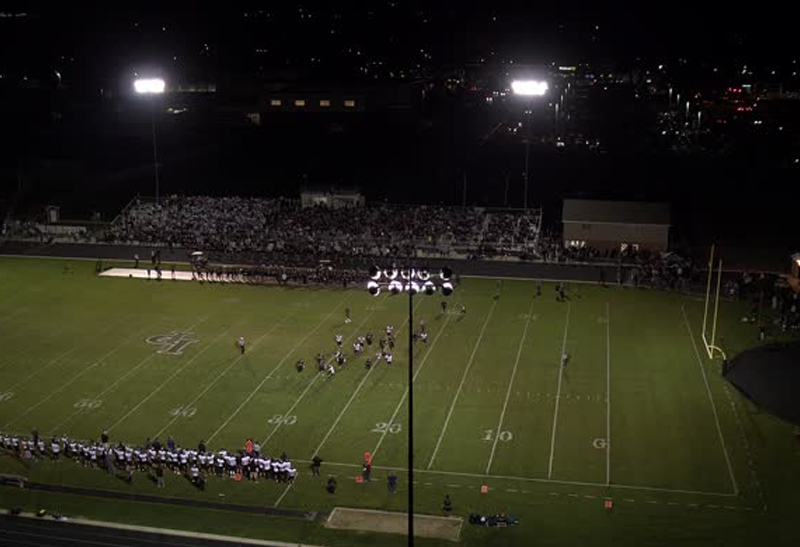
Friday night is not the time to find out your camera head slips in the wind, your battery is dead, or your wireless control won’t connect. For football programs, video is part of operations now - not a nice extra. If you want to know how to avoid filming equipment failures, the answer starts long before kickoff and usually has more to do with system design and routine than last-second troubleshooting.
The hard truth is that most equipment failures are predictable. They come from unstable hardware, unnecessary complexity, poor storage habits, rushed setup, and too much dependence on parts that are easy to forget, lose, or misconfigure. When coaches and video staff build around reliability first, they cut down the chances of losing critical game or practice footage.
A lot of programs try to solve filming problems with more technology. On paper, that sounds smart. In the field, it often creates more failure points. Motorized systems, wireless controls, and overly complicated mounting setups can work well when everything is perfect. Football environments are rarely perfect.
Games and practices happen in wind, cold, heat, light rain, uneven terrain, and tight time windows. Staff gets pulled in different directions. Student helpers change from week to week. Under those conditions, the best system is usually the one with the fewest parts that can fail and the simplest setup path from storage to filming.
That is why manual control systems still make sense for many football programs. They reduce dependence on batteries, pairing, app behavior, signal interference, and moving electronics. There is a trade-off, of course. Some motorized systems offer convenience and remote adjustment. But convenience only matters if the system works every time you need it. Reliability has to come first.
A stable tripod also matters more than many buyers expect. Bad footage is one problem. A shaky or slipping support system can become a complete failure if the camera shifts, tips, or becomes impossible to control in wind. Solid tripod engineering, secure locking points, and equipment designed specifically for football filming are not luxury features. They are part of failure prevention.
Programs that avoid filming issues usually do one thing well: they standardize the routine. They do not rely on memory, and they do not reinvent setup every week.
Start with a full equipment check at least a day before game day. Charge every battery, including backups. Confirm storage media has enough space and has been cleared properly after prior use. Inspect cables for wear, bent ends, or loose connections. Test the camera, the viewing device, and any replay or upload integration your staff depends on. If your workflow connects to Hudl Sideline, EDGE Replay, Game Strat, or SkyCoach, verify that connection before you leave for the field.
This should not be a long process. In a well-run program, it becomes a short checklist that anyone can follow. The goal is not technical complexity. The goal is making sure a coordinator, assistant coach, or student filmer can confirm the system is ready without guessing.
Storage and transport deserve just as much attention. Equipment often fails because it gets damaged between uses, not during them. If tripods are thrown loosely into a trailer, if optics are stored without protection, or if cables are wrapped carelessly and pinched, you are building toward future problems. Portable systems need to be truly portable, which means easy to carry, easy to secure, and easy to pack the right way.
Some issues show up again and again across programs. The first is power. Dead batteries are obvious, but loose battery seating, uncharged backups, and cold-weather drain are just as common. A camera that powers on during setup can still die early if you did not account for conditions.
The second is instability. A camera platform that sways, rotates, or settles after setup creates bad video and forces constant correction. In some cases, it can stop the operator from capturing usable angles altogether. This gets worse with tall systems if the base and locking hardware are not built for that height.
Third is operator confusion. If your setup requires too many steps, too many accessories, or too much technical knowledge, failure becomes more likely when staff changes or when setup happens under time pressure. Simpler systems are easier to train on and easier to repeat correctly.
Fourth is compatibility drift. A camera setup might be fine by itself but still fail operationally if it does not work cleanly with your replay or upload platform. For most football programs, the filming system is not just about recording. It is part of a larger coaching workflow. If that workflow breaks, the equipment has failed in a real-world sense, even if the camera is technically still running.
The best way to avoid filming equipment failures is to make setup boring. That may not sound exciting, but boring is good on game day. You want the same assembly sequence, the same mounting process, the same checks, and the same operator position every time.
If a system can be set up in less than five minutes with a clear routine, that gives your staff margin. Margin matters because football operations are full of interruptions. A coach gets stopped by an official. A student assistant is late. Weather changes. Warmups start early. Reliable systems give you room to handle normal game-day chaos without losing your filming window.
This is where specialized football equipment has an edge over general-purpose filming gear. Football programs do not need a setup designed mainly for studio flexibility or creative shooting angles. They need elevated, stable, field-ready video capture that works fast and works the same way every week.
Game day gets the attention, but practice is where a lot of equipment wear happens. Frequent setup and teardown, transportation across fields, and rushed transitions between drills create steady strain on filming systems.
That means practice gear should be chosen with the same discipline as game equipment. A lighter-duty setup may seem fine for daily use, but if it loosens over time, becomes difficult to secure, or starts producing shaky footage, it creates the same reliability problem in a different setting. Practice film is too valuable for player development and installation to treat casually.
It helps to assign ownership. One staff member should be responsible for confirming the system is stored correctly after each use and flagged if anything feels off. Small issues caught on Tuesday are much easier to fix than major failures discovered ten minutes before kickoff on Friday.
A common purchasing mistake is evaluating the gear but not the person who will actually use it. A system may look great in a product demo, then struggle in real life because the operator was never trained on setup order, leveling, cable management, or platform connection.
The fix is straightforward. Once the system arrives, run a real setup rehearsal. Do it outside. Do it with the people who will operate it. Have them build it, break it down, and connect it to your actual workflow. If any step feels unclear, slow, or easy to miss, that is a warning sign.
This is also where support matters. Good equipment should be backed by people who understand football operations and can explain the system in plain language. That support helps programs avoid turning small setup questions into missed filming opportunities. At Game Day Endzone, that reliability-first approach is a big reason coaches prefer manual, field-proven systems over more failure-prone alternatives.
When programs compare filming solutions, features tend to get the spotlight. Extra controls, automation, and added accessories can sound impressive. But every added component is another possible issue on a field, in a parking lot, or during transport.
Durability is less flashy, but it wins more Fridays. Strong materials, stable engineering, dependable optics, and simple controls create fewer operational surprises. There is a trade-off here too. A stripped-down system should not mean limited usefulness. The right setup still needs quality video, portability, and compatibility with the tools your staff already uses. But if you have to choose between a longer feature list and a more dependable platform, most football programs are better served by the dependable platform.
That is especially true for schools managing budgets carefully. Replacing failed parts, dealing with unusable footage, or buying a second system to cover for the first one gets expensive fast. Value is not just the purchase price. Value is whether the system performs under pressure and keeps performing over time.
The programs that get consistent, usable film are usually not the ones chasing the most complicated setup. They are the ones that choose stable equipment, train around a repeatable routine, and remove avoidable failure points before the season ever starts. If your filming system is built to work every time, your staff can stay focused on the game instead of fighting the gear.