
June 1, 2026
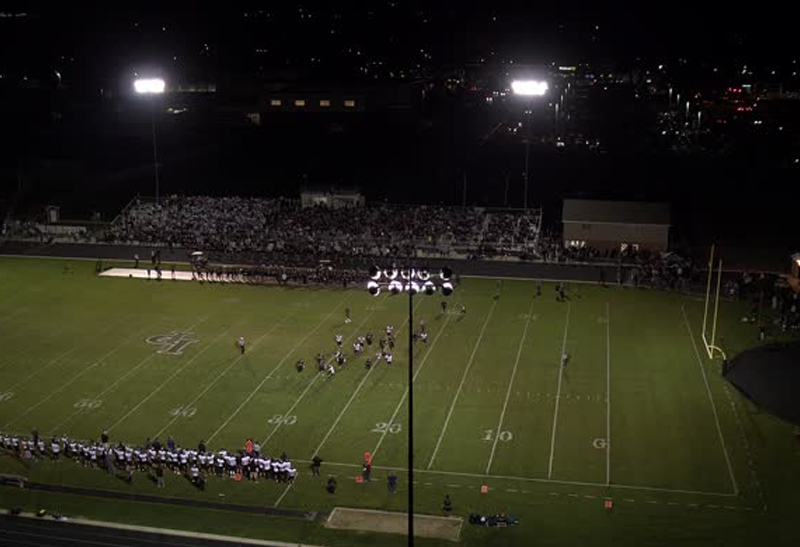
Friday night gets loud fast. If your camera plan depends on too many moving parts, your staff feels it before kickoff. A strong football video workflow guide starts with one goal: get usable footage every time, without slowing down coaches, operators, or sideline communication.
For most football programs, video is no longer a side task handled when someone has a free hand. It drives sideline replay, supports in-game adjustments, sharpens practice teaching, and gives coordinators a cleaner picture after the final whistle. The problem is that many teams still treat filming as a collection of separate jobs instead of one connected workflow. That is where things break down.
A good workflow is not just about recording the game. It is about reducing failure points from setup to upload. Coaches need a system that gets in place quickly, stays stable in wind and traffic, captures the right angle, and feeds the platforms their staff already uses.
That sounds simple, but it usually comes down to a few practical questions. Can one person set it up in minutes? Will the tower or tripod stay steady through four quarters? Is the angle high enough to be useful for replay and grading? Can the operator run it without fighting software, batteries, or wireless controls?
If the answer to any of those questions is no, the workflow gets expensive in ways that do not show up on the invoice. You lose coaching time. You lose trust in the footage. Sometimes you lose the play entirely.
Most teams need two primary views: endzone and sideline. The endzone view shows spacing, fits, leverage, and route structure in a way the sideline angle never can. The sideline view gives broader context, personnel movement, and formation recognition. Together, they create the practical baseline for coaching, replay, and breakdown.
For games, the endzone camera needs height and stability. A 25-foot system changes the usefulness of the video because it creates cleaner separation between players and gives coaches a true tactical view. A lower setup can still record the play, but it often misses the depth and spacing details that matter most on run fits, pass concepts, and special teams lanes.
The sideline setup has a different job. It needs to be dependable, easy to level, and quick to position in the press box or elevated filming area. This is not the place for a fragile tripod that looks fine indoors but drifts or shakes under real game conditions.
For practice, the workflow shifts slightly. A 10-foot practice pole is often enough to capture team periods, inside run, skelly, and special teams drills without the footprint of a full game tower. That matters when you are moving station to station and working with limited staff.
The best filming plan starts by asking what your staff needs to see and when they need to see it. If your offensive staff wants immediate endzone clips between series, your workflow has to support fast transfer and compatibility with replay tools already in use. If your main need is weekend breakdown, your priority may be stable capture and organized file handling over instant sideline delivery.
This is where many buying decisions go sideways. Programs often shop for features before they define the job. More automation is not always better. Motorized controls, wireless add-ons, and extra electronic dependencies can sound attractive, but every added layer is another possible failure point on game day.
In most football environments, manual control still has a real advantage. It is simpler to train, easier to troubleshoot, and more reliable under pressure. That trade-off is worth understanding. A highly automated setup may look advanced in a demo, but if it introduces lag, battery issues, pairing problems, or a steeper learning curve for student operators, it can hurt the actual workflow.
A football video workflow guide is only useful if it respects the first 15 minutes on site. Your staff is checking headsets, field access, power, rosters, and communication. Filming equipment cannot become another pregame project.
That means the setup process should be predictable. Towers should deploy quickly. Tripods should lock in firmly. Operators should know exactly where each component goes and how to level it without guesswork. If your filming system takes too long to build, it creates pressure that usually carries into the first quarter.
It also helps to standardize responsibilities. One person handles the endzone system. One person confirms the sideline or press box angle. One person checks recording and platform connection. Even in small staffs, assigning those steps clearly prevents the common problem where everyone assumes someone else already tested the feed.
Once the game starts, the workflow should get quieter, not busier. Operators need simple tasks: frame the play correctly, maintain a consistent angle, and keep recording without interruptions. Coaches need confidence that the video will be there when they ask for it.
Consistency matters more than fancy operation. The endzone shot should center the formation, keep the line and backfield visible, and avoid overcorrecting on movement. The sideline angle should be wide enough to preserve route development and perimeter action. If the framing changes wildly from play to play, the video becomes harder to use for replay and teaching.
This is also where stable engineering pays off. A shaky tower or light-duty tripod can ruin otherwise good capture. Wind, foot traffic, and quick operator movements expose weak equipment fast. Durable support systems are not just a hardware preference. They protect the entire workflow because they preserve a clear, reviewable image.
Compatibility is the other non-negotiable piece. If your program uses Hudl Sideline, EDGE Replay, Game Strat, or SkyCoach, the camera setup needs to fit into that process cleanly. Coaches do not want to redesign their sideline routine around a camera system. They want a reliable video source that works with the platforms their staff already trusts.
Practice filming is where habits are built. If the process is too complicated, teams stop doing it consistently. Then game-day expectations get placed on a crew that has not repeated the workflow enough.
A good practice system should move quickly, require minimal adjustment, and give coaches a clear teaching view. That is why portability matters. If your operator can reposition the setup from indy to team without fighting heavy gear or unstable mounting, the staff is more likely to keep filming throughout the week.
The standard should be simple: get the camera up fast, capture the period clearly, and move to the next segment without wasting staff time. At Game Day Endzone, that is exactly why football programs often prefer purpose-built poles, tripods, and bundles over patched-together video setups that were never designed for the field.
A lot of video problems are not camera problems. They are handoff problems. The footage exists, but naming is inconsistent, the upload is delayed, or no one confirmed the file made it where coaches expect it.
The fix is straightforward. Use a repeatable naming convention by date, opponent, and angle. Confirm at the end of each quarter or major practice period that the recording is active and the files are moving correctly. Assign one staff member to own the final handoff, even if several people touched the equipment during the day.
This is especially important for programs with rotating student workers or volunteer help. Equipment should be simple enough to operate, but the workflow should also be structured enough that turnover does not break it.
Some teams overspend on technology layers they do not need. Others underbuild the support structure and then wonder why the footage shakes, setup drags, or operators struggle. The right answer usually sits in the middle: buy the gear that directly improves capture quality, stability, portability, and platform compatibility.
For most high school and academy programs, that means investing in dependable camera support and straightforward operation rather than chasing features that look impressive but add risk. A clean manual system with premium optics and stable engineering often delivers more real value than a more complicated setup that asks too much from operators on a busy sideline.
That is the real point of a football video workflow guide. It should help your staff get professional-quality football video without building a process that only works when everything goes perfectly.
The best workflow is the one your team can repeat in August heat, October wind, and playoff pressure - with footage that is ready when coaches need to coach.