
June 4, 2026
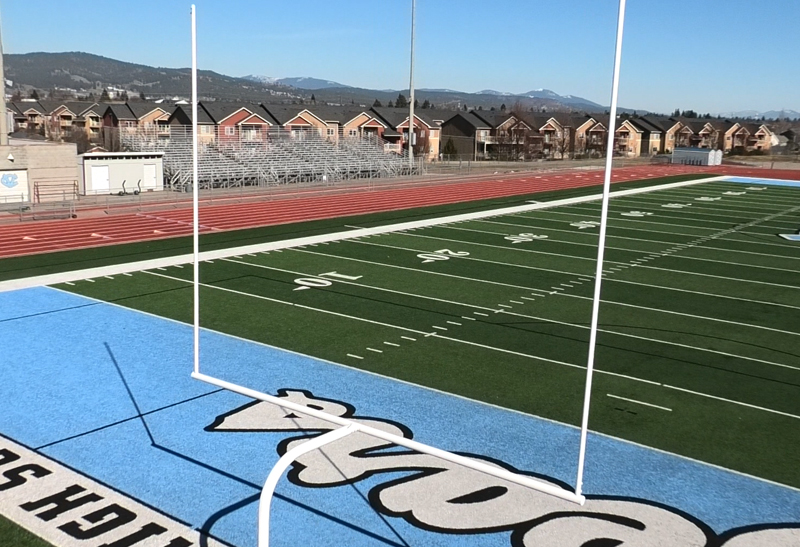
A muddy endzone angle usually gets blamed on the camera. Most of the time, the real problem is the system around it. When coaches ask how coaches capture cleaner endzone footage, the answer usually comes down to four things: height, stability, optics, and a setup process that works the same way every time.
Cleaner video is not just about making clips look better. It affects play identification, player evaluation, replay speed, and how useful your practice and game film actually is on Sunday or Monday. If the image shakes, drifts, zooms poorly, or loses the formation at the snap, the coaching value drops fast.
The best endzone video starts before kickoff. Programs that get consistently clean film do not rely on a creative fix ten minutes before warmups. They use a filming setup built for football and keep the process simple enough that staff, managers, or student helpers can repeat it without guessing.
Height is the first big factor. A low endzone angle tends to flatten the field and crowd the frame. Linemen block the backfield, route spacing gets harder to read, and the secondary can disappear into the traffic. A higher camera position gives coaches a truer look at leverage, fits, spacing, and pursuit angles. That is why elevated endzone systems matter so much more than a standard sideline tripod trying to do a job it was never really built to handle.
Stability matters just as much. A shaky image makes film harder to grade and harder to use with replay tools. Wind, uneven ground, weak tripod legs, and flexible poles all show up in the final video. Coaches often do not notice how much bad support equipment is hurting their film until they compare it against footage from a more stable system. Clean endzone footage comes from rigid support, solid base design, and a camera platform that stays put once it is set.
Then there is control. Motorized and wireless systems can sound appealing because they promise convenience, but convenience is not the same thing as reliability. Football staffs need a system that works under pressure, in weather, and with limited setup time. Manual control systems often produce cleaner, more dependable results because there is less to fail and less to troubleshoot when the clock is moving.
If your film is inconsistent from week to week, it usually traces back to one of a few operational issues.
The endzone angle exists to show structure. You want to see the width of the formation, the depth of the backfield, the spacing of routes, and how the play develops from the snap. That gets easier as the camera gets higher, within reason. A properly engineered 25-foot endzone camera system gives a much cleaner coaching view than a lower improvised setup.
There is a trade-off here. Height without stability can make footage worse, not better. The higher the camera goes, the more important pole strength, tripod design, and leveling become. That is why the support system matters as much as the pole itself.
Football is not filmed on a studio floor. Crews deal with grass, track surfaces, wind, wet conditions, and hurried setup windows. A cleaner image depends on equipment that stays stable in that environment. If the base shifts or the pole flexes too much, every snap suffers.
This is where many generic tripods fall short. They may be fine for basic video, but endzone filming asks more from the equipment. The weight distribution is different. The height requirement is different. The tolerance for movement is much lower. Programs that get consistently better footage usually move away from improvised camera supports and into systems designed specifically for football video capture.
A lot of buyers focus on zoom range because it sounds like a direct path to better footage. In practice, clean endzone film depends more on optical quality and framing discipline than on extreme zoom. If you zoom too tightly, you lose the edges of the formation and have to chase the play. If the lens quality is poor, the image gets soft right when you need to evaluate detail.
Coaches usually get the best results with optics that hold a sharp image while keeping the whole play visible. You want enough detail to coach from the film, but not so much magnification that the operator is constantly correcting the frame.
If setup changes every week, your film quality will too. The strongest programs build a repeatable routine. The pole goes in the same position. The camera gets leveled the same way. The framing starts with the same field landmarks. The operator follows the same rules on width and tracking.
This matters more than people think. Cleaner footage is often the result of fewer decisions, not more. A straightforward system that sets up in minutes and works the same way each time usually beats a more complicated option with more features but more failure points.
Game film gets the most attention, but practice footage is where a lot of teaching actually happens. If the endzone angle is poor during inside run, team periods, or skelly, coaches lose clean teaching tape before Friday ever arrives.
A lower practice pole can make sense here, especially when portability and quick movement matter. The key is using equipment that still provides a stable elevated angle without turning setup into a project. Practice filming has to be fast. Staffs move from period to period, field to field, and often operate with limited personnel. If the system is bulky or complicated, it stops getting used consistently.
That is why many football programs prefer a complete filming setup rather than piecing together different tools for games and practices. The cleaner the workflow, the more likely the video operation stays dependable through the entire season.
Even good equipment can produce average footage if the operator lacks a few simple habits. Most of the fixes are not technical.
Start wider than you think. The endzone angle is for structure and development, not dramatic close-ups. If the offense is near the hash, keep enough width to preserve route spacing and backside action. If the operator constantly zooms in and out during the play, the film becomes harder to study.
Keep the camera movement quiet. Fast corrections, overtracking, and sudden pans create a nervous frame. Let the play develop. Follow the action, but do not hunt for it. A calm operator usually produces more coachable video than someone trying to make the shot look dynamic.
Use the same framing rules every time. For example, center the formation before the snap and hold a wide enough picture through the initial action. Once a staff agrees on what useful film looks like, operators can repeat it with much less confusion.
There is a reason many experienced football staffs prefer manual systems over more complex alternatives. Every added layer of wireless control, motorized movement, or app dependency introduces another chance for delay or failure. On paper, those features can look advanced. On a windy sideline with a game starting, simple often wins.
That does not mean every advanced feature is bad. It means football video equipment has to prove itself under pressure. Cleaner endzone footage usually comes from gear that is durable, quick to deploy, and easy for different operators to run correctly. Reliability is a video quality feature, even if it does not show up on a spec sheet that way.
That is also why football-specific systems tend to outperform general-purpose camera gear. Products built around the way coaches actually film games and practices are more likely to hold up, set up quickly, and integrate cleanly with replay and upload workflows already used by the staff.
If you are trying to improve your film operation, review your last few games with a simple question: what keeps this footage from being more useful to coaches? Sometimes the answer is obvious, like shake or poor height. Sometimes it is subtler, like inconsistent framing or a setup that takes so long the camera team rushes through it.
Look for whether the full play structure is visible at the snap. Check whether the image remains stable in wind. Notice if the picture stays sharp enough for coaching detail. Pay attention to whether the operator is controlling the frame or reacting late to it. These are practical signs of whether your current system is helping or hurting the staff.
For many programs, cleaner video does not require a bigger production. It requires the right equipment, used the same way every week. That is where a purpose-built football filming system earns its value. Companies like Game Day Endzone focus on that exact problem - giving teams stable, elevated, reliable video capture that works with the platforms coaches already depend on.
The best endzone footage is not flashy. It is steady, high enough, sharp enough, and easy to capture every single week. If your staff can trust the angle without fighting the equipment, coaching gets easier.