
July 17, 2026
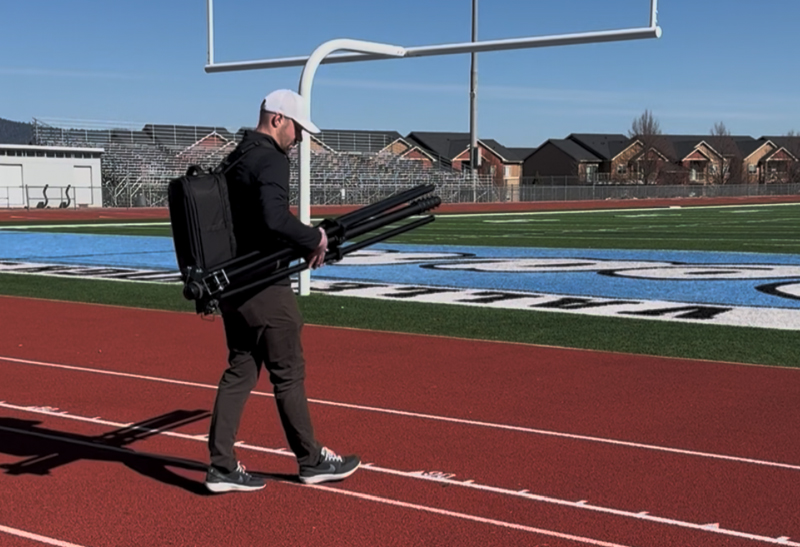
Friday night does not create extra hands. A coach may be calling plays, managing substitutions, checking replay, and answering questions from players and parents - all while someone still needs to capture every snap. That is why football filming solutions for small staffs must be built around dependable operation, not a complicated equipment checklist.
For most programs, the best system is not the one with the longest feature list. It is the one a trusted student manager, assistant coach, or volunteer can set up quickly, operate confidently, and use to produce footage that is clear enough for coaching, scouting, and upload after the game.
Small staffs do not usually struggle because they lack access to cameras. They struggle because filming is one more job added to an already full game-day workload. A system that requires an experienced operator, a wireless connection, battery troubleshooting, or repeated calibration can become a distraction before kickoff.
The camera position matters, but so does the process around it. Can the system be carried from the equipment room to the field in one trip? Can it be assembled in less than five minutes? Does the operator have a stable view throughout the game? Can the footage move into the program's existing replay or upload workflow without rebuilding the process from scratch?
Those questions should drive the purchase. Clear video is the result, but simple and repeatable operation is what makes clear video possible every week.
A practical football video setup has to solve three problems: height, stability, and control. Miss any one of them and the camera operator spends the game fighting the equipment instead of following the football.
Endzone video is valuable because it shows alignment, leverage, run fits, route concepts, and how a play develops across the field. A low camera angle can make the ball easy to find, but it often hides the details coordinators need on Monday.
For game film, a 25-foot endzone camera system gives the operator the elevated perspective needed to see formations and the full play structure. At practice, a 10-foot pole can be the more efficient answer for team periods, inside run, seven-on-seven, and special teams work. The right height depends on the field, available space, and the purpose of the video, but the equipment should make both jobs manageable without adding a second crew.
A tall camera system is only useful when the image stays steady. Wind, uneven grass, busy sidelines, and operators moving to follow a return can expose weak tripod designs quickly. Shaky footage creates problems for coaches reviewing technique and makes the video harder to use in replay.
Look for a system with a stable tripod base engineered for the height of the pole. The legs, mounting hardware, and connection points all matter. A makeshift combination of consumer tripod, extension pole, and adapters may cost less at first, but it often introduces movement, setup delays, and a higher chance of equipment damage.
Stability is also a safety issue. Equipment placed near players, coaches, and spectators needs a secure footprint and an operator who can keep the filming area organized.
Motorized camera heads and wireless controls can sound appealing, especially on a product sheet. In actual football operations, each added component introduces another possible point of failure. Batteries die. Remote connections drop. Motors lag at the wrong moment. A staff member who only operates the system on game day may not know how to solve the issue under pressure.
Manual controls are often the better choice for a small staff. They give the operator direct control of the frame, respond immediately, and reduce the amount of equipment that must be charged, paired, and tested. That does not mean every program should avoid motorized equipment. A large video department with trained operators and a dedicated workflow may benefit from it. For most high school programs, however, reliability and simplicity win.
The camera system should support the way your coaches already review video. If your staff uses Hudl Sideline, EDGE Replay, Game Strat, SkyCoach, or another established platform, confirm that the camera and capture process fit the platform's video requirements before buying.
Compatibility is more than a logo on a product page. Ask how video gets from the camera to the device, whether the system supports the resolution your staff needs, and who is responsible for moving files during or after the game. A setup that captures great footage but slows down replay is not helping the coaching staff.
For many teams, the most dependable approach is straightforward: mount a quality camera, frame the field from a stable elevated position, record consistently, and use the same file-handling routine every week. When the workflow is familiar, a staff member can step in without turning game-day filming into a technical project.
The strongest equipment in the world cannot fix a rushed process. Small staffs should establish a simple filming routine and practice it before the first game.
Start by assigning one primary operator and one backup. The backup does not need to be a video specialist, but they should know how to transport the system, extend it safely, mount the camera, check the frame, and start recording. A two-person knowledge base prevents one absence from becoming a major issue.
Set the system up before teams begin pregame warmups. This gives the operator time to choose the best endzone or press box position, level the tripod, account for sunlight, and verify that the full field is visible. If the camera is used for sideline replay, run a short test clip and confirm that it reaches the intended device.
Keep the operator's job narrow during the game. Their priority is following the play, keeping the frame wide enough to show the action, and checking recording status between series. They should not be asked to manage cables, troubleshoot unfamiliar apps, or move a loose tripod once the game has started.
A short postgame routine matters too. Power down the camera, secure the components in their designated case, and move or upload footage before leaving the facility. Consistency protects both the equipment and the film your coaches need the next day.
There is no single camera position that fits every program. A press box tripod setup is a strong choice when the facility has a reliable elevated location and the coaching staff wants a broad sideline angle. It can be especially useful for identifying offensive spacing, defensive coverage, and substitution patterns.
An endzone system provides the angle many position coaches and coordinators rely on to study the structure of a play. From behind the offense or defense, coaches can better evaluate line movement, fronts, gaps, backfield action, and pursuit. Programs that want dependable game and practice coverage often need both perspectives over the course of a season.
A 10-foot practice pole fills a different need. It is portable, fast to deploy, and useful where a full 25-foot system is unnecessary or impractical. The trade-off is perspective. It will not provide the same elevated view as a full endzone system, but it can deliver highly useful practice footage with less setup and less space.
For programs replacing outdated equipment, bundled packages can make sense when they eliminate compatibility questions and provide a complete game-and-practice solution. The best value is not simply the lowest initial price. It is equipment that gets used consistently because the staff trusts it.
Football programs routinely ask more from video equipment than other users do. The system travels, gets loaded into buses and trucks, sits in changing weather, and must work on a schedule that cannot move. A consumer setup may be fine for occasional recording, but football operations require gear built for repeated field use.
Purpose-built systems prioritize durable construction, premium optics, portable components, stable support, and simple operation. Game Day Endzone systems are designed around that reality: quality video solutions for football teams that need professional-level footage without unnecessary complexity.
When evaluating options, focus on the failure points. Ask what happens in wind, how long setup takes, whether replacement parts and technical support are available, and whether the system can be operated by someone other than the person who purchased it. Those answers are more valuable than a feature that looks impressive but never gets used.
The right filming system should make a small staff feel more prepared, not more dependent on one person. Choose equipment that can be set up quickly, trusted through the final whistle, and handed to the next operator with confidence. When the camera works every time, your staff can keep its attention where it belongs: coaching football.