
May 12, 2026
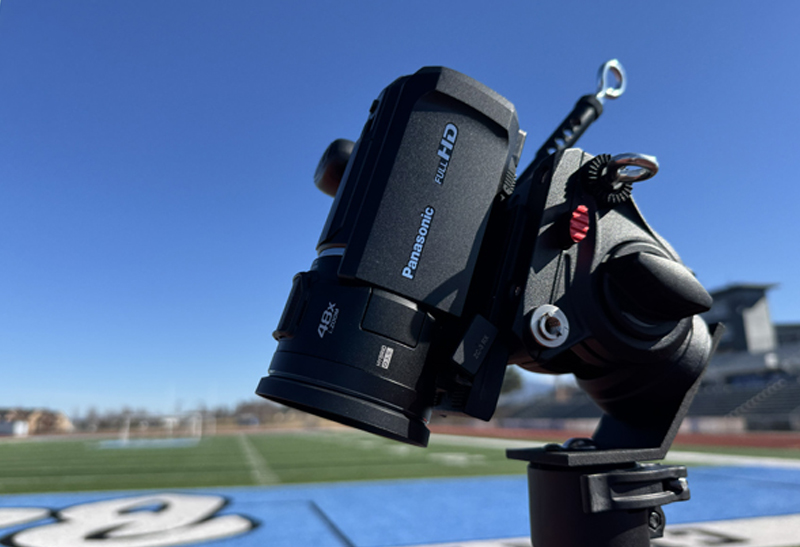
Friday night starts in 20 minutes, your staff is stretched thin, and the last thing you need is a shaky endzone view or a camera setup that needs a tech specialist to operate. A good football filming equipment buyer guide should help you avoid exactly that problem. The right system is not just about getting video - it is about getting usable football video every time, with a setup your staff can manage under real game-day pressure.
Most programs do not lose time with film because they lack effort. They lose time because they buy gear that looks good on paper but does not fit how football actually works. A system can have impressive specs and still be the wrong choice if it takes too long to deploy, fails in wind, or does not integrate cleanly with the replay and upload workflow your coaches already use.
If you are buying for a high school, academy, or organized football program, start with the questions that affect operations first. Can the system be set up fast? Will it stay stable through a full game? Can a coach, manager, or student assistant run it without constant troubleshooting? If those answers are weak, the rest of the feature list does not matter much.
Football is different from general event filming. You are not capturing a concert or a family video. You need a clear, elevated angle that shows spacing, fronts, coverage structure, and player movement. That means your equipment needs enough height, enough stability, and optics that hold detail without forcing you into a complicated control system.
For most programs, the buying decision comes down to four pieces: the elevated endzone setup, the press box angle, the camera itself, and the support equipment that keeps everything reliable. The mistake many buyers make is treating those as separate purchases when they function like one system.
Coaches often begin by comparing camera specs, but angle usually matters more than brand names or isolated video features. If your endzone angle is too low, you lose the coaching value of the shot. You cannot consistently evaluate run fits, secondary structure, or route spacing from a poor elevation point.
That is why endzone height should be one of your first buying filters. A true elevated endzone system gives you a better tactical view than a short mast or improvised platform. For games, many programs need a 25-foot setup because it delivers the kind of clean overhead perspective coaches expect when breaking down film. For practice, a shorter option can make sense if portability and fast movement between periods matter more than maximum elevation.
This is where trade-offs come in. Taller systems usually provide better coaching footage, but they also need strong engineering, balanced support, and straightforward setup. If a tall system is difficult to raise, awkward to transport, or unstable in normal field conditions, the height advantage gets cancelled out fast.
A lot of equipment looks solid in a product photo. What matters is how it behaves when there is wind, uneven ground, and a full game riding on it. Unstable footage is more than annoying. It lowers the value of every rep you capture.
When evaluating a system, look closely at tripod design, base strength, and how the system handles full extension. Football filming gear should be built for repeated setup and teardown, not occasional weekend use. That means durable materials, dependable locking points, and a design that does not feel like it is being pushed to the limit every time you raise it.
This is one reason manual control systems still make a lot of sense for football. Motorized and wireless features can sound attractive, but they also introduce more failure points. In football operations, simple and dependable usually beats flashy. If your staff can raise, position, and run the system with confidence in a few minutes, that is a real advantage.
Camera selection still matters, but not in isolation. A great camera attached to a bad support system will still produce disappointing football film. Once the angle and platform are right, then focus on optics, zoom range, image quality, and compatibility with your workflow.
For football, you want a camera that gives you a clean, detailed picture without forcing the operator into a steep learning curve. Premium optics help because they preserve clarity across the field, especially from elevated positions. Good zoom performance matters too, but most programs do not need an overly complex cinema-style setup. They need clear, coachable footage that can be captured consistently by real staff members on real schedules.
It also helps to think about who will operate the gear week to week. If your video setup depends on one highly experienced person, that is a risk. A better system is one that a coach, student assistant, or support staff member can learn quickly and repeat without mistakes.
This is where many buyers get caught off guard. They purchase a camera system, then discover it does not work smoothly with the sideline replay or video platforms their program depends on. If your coaches use Hudl Sideline, EDGE Replay, Game Strat, or SkyCoach, equipment compatibility is not a side issue. It is central to the purchase.
Before you buy, think through the full chain from capture to review. How is the video recorded? How is it transferred or uploaded? How quickly can coaches access it? Does the setup support your game-day communication and review process, or does it create extra steps for your staff?
A football video system should help your operation move faster, not slower. That is why specialized football solutions often outperform generic camera packages. They are built around the actual use case, not just the idea of filming sports.
One of the smartest buying decisions a program can make is recognizing that game and practice environments are not identical. For games, the priority is often maximum elevation, stable all-night operation, and a clean endzone plus press box view. For practice, speed and portability can matter more.
A 10-foot practice pole can be a strong fit because it gives coaches useful elevation without turning every practice period into a setup project. If your staff moves from indy to team to special teams across different fields, a compact and quick-deploy system has real value. That does not mean accepting poor footage. It means matching the tool to the job.
Some programs try to force one setup to cover every scenario. Sometimes that works. Sometimes it leads to compromise on both fronts. If budget allows, a complete package built around both game and practice use is usually more efficient over time than patching together separate solutions from different vendors.
Bundled equipment packages are worth serious consideration because they reduce guesswork. When the endzone system, press box tripod, camera support, and practice setup are designed to work together, your staff spends less time adapting and more time using the equipment.
The value of a bundle is not only price. It is consistency. Your operators learn one system. Your transport and storage become simpler. Your support and warranty process is clearer. For schools refreshing outdated video infrastructure, that can make the buying decision easier and the long-term ownership experience better.
Still, not every bundle is automatically a good buy. Make sure the package solves your actual filming needs instead of adding components you will rarely use. A smaller program may care most about game film and sideline replay integration. A larger staff may want a more complete setup with dedicated game and practice tools. It depends on how your football operation runs week to week.
The most common mistake is buying on isolated specs instead of field performance. Tall is good, but not if the structure is unstable. Advanced features sound good, but not if they slow down setup. Lower price looks appealing, but not if the system needs to be replaced early.
Another mistake is underestimating setup time. If your crew cannot get the system up in less than a few minutes, that friction adds up across practices and games. Equipment should support the staff you have, not the staff you wish you had.
Finally, do not overlook support after the sale. Football programs need equipment that works, but they also need answers when questions come up. A company that understands football operations and can provide practical guidance is worth more than a generic seller with a long product list.
Game Day Endzone has built its systems around that reality - reliable elevation, simple setup, stable support, and compatibility with the platforms football staffs already use.
The best equipment choice is usually not the one with the longest feature sheet. It is the one your staff trusts, your coaches can use immediately, and your program can depend on every week when the pressure is on.