
April 23, 2026
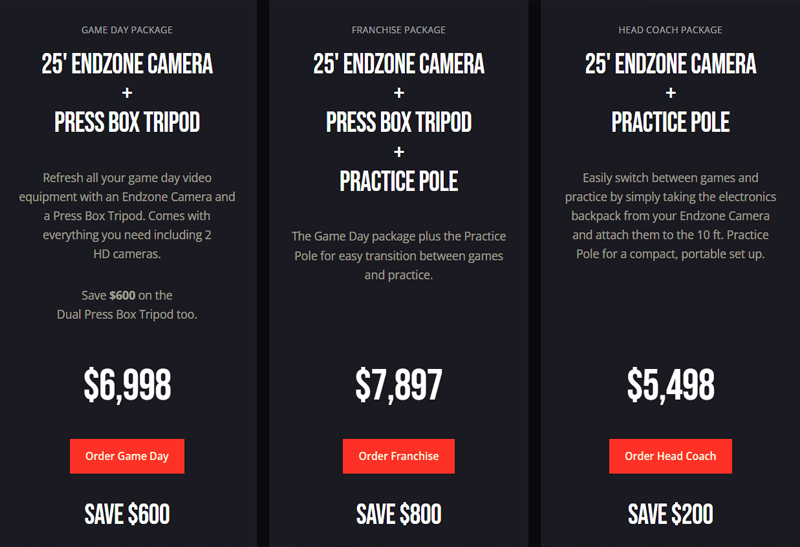
Friday night usually exposes bad equipment fast. A shaky endzone angle, a tripod that drifts in the wind, or a setup that takes 20 minutes too long can turn video from a coaching asset into a game-day problem. That is why a football video equipment bundle matters. When the pieces are built to work together, staff can get clean angles, faster setup, and fewer surprises during games and practice.
Most programs are not shopping for cameras just to own more gear. They are trying to solve a workflow problem. Coaches need dependable footage from the endzone and the press box. Video staff need equipment that travels well, sets up quickly, and stays stable through four quarters. Athletic departments need a purchase that covers real football use, not a collection of parts that looked fine on paper but fail under pressure.
A strong football video equipment bundle should reduce friction in three places. First, it should make setup simple enough that a manager, assistant coach, or volunteer can handle it consistently. Second, it should produce footage that works with the replay and upload systems a program already uses. Third, it should hold up over time, because replacing weak components one by one usually costs more than buying a complete system that was designed with football in mind.
That last point gets missed a lot. Teams often piece together a tall tripod, a camera mount, a bag, and a practice setup from different sellers. The result can work for a while, but it often creates fit issues, balance problems, and extra points of failure. Bundled systems are valuable when the package is not just a discount. The real value is compatibility, stability, and repeatable use.
A useful bundle starts with the two angles most programs rely on - endzone and sideline or press box. For many staffs, the endzone view drives the purchase because it is the hardest angle to capture well. You need height, stability, and a clean line over players, coaches, and sideline traffic. A 25-foot endzone camera system gives programs that elevated angle without forcing them into overly complex motorized towers or fragile custom builds.
The press box setup matters just as much. If the elevated sideline angle is inconsistent, coaching staff lose context on formations, spacing, and game flow. A stable tripod setup with premium optics helps the video stay usable, especially when the operator needs to pan smoothly and maintain image clarity over distance.
Practice filming is another area where the right bundle can save time. A 10-foot practice pole may not sound as critical as the game system, but for many teams it becomes one of the most-used pieces of equipment in the package. It gives staff a practical way to film drills, team periods, and scrimmage work without hauling a full game-day setup across the field.
Cases, mounts, and transport features matter too. Programs often focus on the tallest pole or the camera itself, but portability is what determines whether the system gets used consistently. Equipment that breaks down cleanly, packs securely, and moves easily between the field house, bus, and stadium is more valuable than a system with impressive specs and poor field usability.
Not every football video equipment bundle fits every program. A varsity staff filming home games, away games, and daily practice has different needs than a smaller program focused on one primary game angle. The right choice depends on staff size, travel routine, and how much pressure the system will face each week.
Programs with a dedicated video role may be able to manage a larger setup with more components. Smaller staffs usually benefit from simpler systems that can be deployed in less than five minutes and operated with minimal training. That is not a compromise. In many football environments, simpler is better because simple systems are easier to repeat under stress.
There is also a real trade-off between manual and motorized designs. Motorized and wireless systems can sound appealing because they promise convenience. In practice, they add batteries, controls, charging requirements, and more things that can fail when conditions are not ideal. A well-engineered manual control system often wins on reliability. For programs that care most about getting the angle every time, that matters more than feature lists.
Budget should be viewed the same way. The lowest upfront price is not always the best value if the bundle still needs add-ons, upgrades, or replacement parts to become game-ready. On the other hand, the most expensive option is not automatically the most useful. Buyers should focus on whether the package covers actual football operations from setup to storage to upload.
The best way to judge a package is to think like the person who has to use it on a windy Thursday practice and again on a rainy road trip Friday. Start with stability. Tall systems need sound tripod engineering, balanced construction, and components that do not feel loose or improvised. If the base is weak, the rest of the setup does not matter.
Next, look at setup time. A bundle should not require a long checklist, special tools, or constant adjustment. Fast setup is not just about convenience. It protects your routine. Coaches and support staff already have enough to manage before kickoff, and video equipment should not become another source of delay.
Compatibility is another practical checkpoint. Many football programs depend on established replay and exchange platforms such as Hudl Sideline, EDGE Replay, Game Strat, and SkyCoach. The equipment does not need flashy language around integration. It just needs to work cleanly within the workflow your staff already uses.
Durability deserves close attention as well. Football gear gets loaded in trailers, carried across tracks, set up on uneven surfaces, and used by different operators over the course of a season. Bundles designed specifically for football tend to account for that abuse better than general-purpose camera setups built for other industries.
Finally, ask who can operate it. The right system should be usable by your best video coordinator, but also by a student manager or assistant on short notice. If the equipment only works well in the hands of one experienced person, that creates risk for the whole program.
A complete bundle helps standardize your operation. Everyone learns the same setup, the same transport process, and the same filming routine. That consistency improves the footage, but it also reduces wear from misuse and helps new staff get up to speed faster.
There is also a purchasing advantage. Athletic departments often need a clear equipment plan, not a series of scattered line items. A bundled approach makes it easier to assess value because decision-makers can see what the program is getting for games, practice, and long-term use in one package.
For football programs that want pro-level results without unnecessary complexity, that is the real sweet spot. Good bundles are not just collections of parts. They are systems built around the realities of coaching, filming, and moving fast on game day. That is why companies like Game Day Endzone focus on complete solutions instead of one-off components.
The best video package is not the one with the longest feature sheet. It is the one your staff trusts when kickoff is 15 minutes away and there is no time to troubleshoot. If your football video equipment bundle gives you stable endzone footage, a dependable press box angle, a practical practice setup, and a repeatable workflow, it is doing exactly what it should.
Buy for the season you actually live through, not the sales pitch. Football staffs need equipment that works every time, packs up without a fight, and gives coaches the footage they need to teach and win. That standard is not flashy, but it is what separates useful gear from gear that sits in storage.