
April 12, 2026
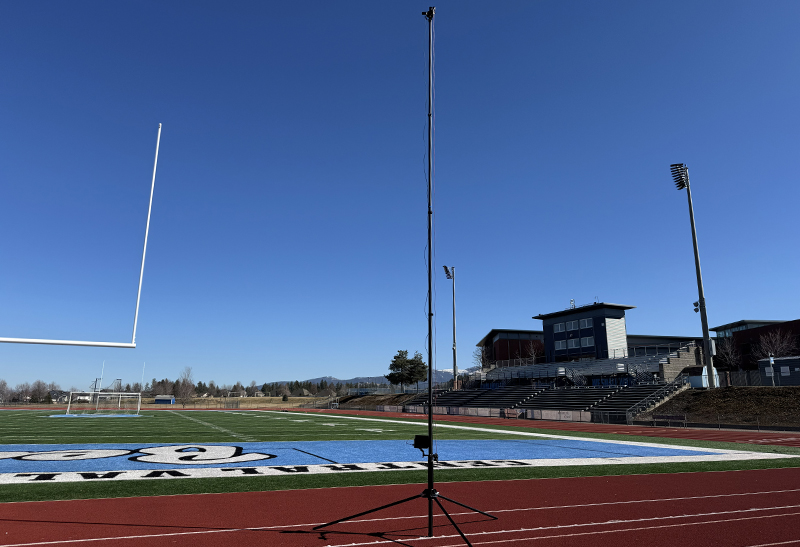
Friday night starts in a hurry. Warmups are moving, headsets are live, and somebody is already asking if the end zone angle is up. That is exactly when an endzone video system proves what it is worth. If your setup is stable, easy to deploy, and built for football workflow, your staff gets clean footage without wasting time on equipment problems.
For most programs, that is the real buying question. Not whether a system looks advanced on paper, but whether it works every time with the staff you actually have on game day. Coaches need a clear end zone angle for sideline replay, postgame breakdown, and practice correction. Video staff need equipment that travels well, sets up fast, and stays locked in once the camera is in the air. Athletic departments need something durable enough to justify the spend over multiple seasons.
An endzone view is not just another angle. It is the coaching angle that shows spacing, leverage, blocking surfaces, fit, pursuit, and route structure in a way the sideline shot cannot. If that footage is shaky, too low, or hard to capture consistently, the value drops fast.
A good endzone video system has to solve four problems at once. It needs enough height to create a useful coaching angle. It needs a stable base so footage is watchable in wind and repeated use. It needs to set up quickly because football operations do not leave much extra time. And it needs to fit into the platforms your staff already uses, whether that is Hudl Sideline, EDGE Replay, Game Strat, or SkyCoach.
That combination matters more than flashy features. A system can sound impressive in a sales pitch and still create friction on Friday night if it is slow to assemble, hard to transport, or too finicky for non-technical staff.
The first thing most buyers compare is pole height. That makes sense. A higher camera position usually gives coaches a cleaner look at run fit, pass structure, and full-field spacing. But height by itself is not the whole story.
A tall system without a stable tripod or support structure can create footage that drifts, shakes, or becomes difficult to use in replay. That is where many programs get disappointed. They chase maximum height and end up with something that feels unsteady once it is actually deployed outside in real conditions.
For games, many football staffs prefer a 25-foot end zone camera setup because it gives a true overhead coaching angle without turning setup into a production. For practice, a shorter option such as a 10-foot pole can make more sense because it is quicker to move and easier to reposition between periods. The right answer depends on how your staff films now, how often you move equipment, and who is responsible for setup.
A lot of equipment categories get pushed toward more automation. Sometimes that helps. In football filming, it depends.
Motorized and wireless systems can sound convenient, but they also introduce more failure points. Batteries die. Connections drop. Components need troubleshooting at the worst time possible. That trade-off may be acceptable for some programs, especially if they have dedicated video personnel and backup equipment. For many high schools and academies, it is not worth the risk.
A manual control system is often the better football answer because it keeps operation straightforward. Fewer electronic dependencies usually means fewer surprises. When the priority is getting the camera up quickly and capturing dependable footage every week, simple is not basic. Simple is practical.
That is especially true for programs where assistants, student managers, or rotating staff may help with setup. The easier the process is to understand, the more likely the system is to be used correctly every time.
Coaches often focus on the pole and camera, but tripod engineering has a major effect on day-to-day performance. A weak base turns everything above it into a problem. If the tripod shifts, flexes, or struggles on uneven ground, the footage will show it.
A strong tripod does three jobs. It supports the height of the system without feeling unstable. It handles repeated transport and setup without wearing down too quickly. And it gives staff confidence that once the shot is framed, it will stay where it needs to stay.
This is one of the biggest differences between purpose-built football systems and general-use camera supports. Football gear needs to handle fields, tracks, travel, weather, and busy sideline conditions. That environment is harder on equipment than many buyers expect.
Every program says it wants better video. Not every program has extra hands on game day. That is why portability matters.
If an endzone video system is too awkward to carry, takes too many pieces to organize, or requires a long setup process, staff will feel that friction every week. Over time, the issue is not just inconvenience. It leads to rushed deployment, inconsistent framing, and more wear from hurried handling.
Portable does not mean light at all costs. A system still needs to be durable. The better balance is equipment that breaks down cleanly, travels efficiently, and can be set up in less than 5 minutes by people who are focused on football, not production work.
That is often where bundled solutions make sense. When the end zone camera, press box tripod setup, and practice options are designed to work together, staff spend less time adapting mismatched gear and more time getting useful footage.
Stability and setup are critical, but image quality still matters because coaching decisions come from what the camera captures. If the picture lacks clarity, the staff loses detail where it counts.
Premium optics help preserve the usefulness of the end zone angle, especially when coaches are reviewing line play, defensive fits, route spacing, or special teams structure. Good footage is not about looking cinematic. It is about making sure the image is sharp enough to support real football evaluation.
That does not mean every program needs the most expensive camera package available. But it does mean the optics should match the standard your staff expects from its replay and breakdown process. If video is central to how you coach, poor image quality will show up quickly in meetings.
The best hardware still has to fit your existing process. For most programs, that means the system should work cleanly with the replay and upload platforms the staff already trusts.
This is where some buying decisions go sideways. A system may look impressive as a standalone product, but if it complicates connection to Hudl Sideline, EDGE Replay, Game Strat, or SkyCoach, it creates more work than value. Equipment should support your workflow, not force a new one.
Before buying, think through the full chain. Who sets it up? Who operates it? How fast does footage need to be available? Is the system mainly for live sideline replay, postgame analysis, practice filming, or all three? A strong setup is one that makes those answers easier, not one that asks your staff to adapt around the gear.
For most football programs, the best purchase is not a random mix of components. It is a complete filming solution built around the way teams actually work. That usually means a high game-day end zone system, a reliable press box tripod, and a separate practice option that is easier to move during the week.
The value of a complete package is consistency. Your staff learns one equipment approach, one setup rhythm, and one standard for footage quality. That reduces mistakes and shortens the learning curve for anyone helping with video.
It also tends to improve value over time. Durable equipment with support, warranty coverage, and practical consultation usually costs less in the long run than replacing parts of a pieced-together system that never quite works right.
That is the approach behind Game Day Endzone - quality video solutions designed for football teams that need reliable performance without unnecessary complexity.
When you evaluate your options, look past feature lists and ask a simpler question: will this system help our staff get the angle we need, every week, without turning setup into another problem to solve? If the answer is yes, you are probably looking at the right equipment.