
April 1, 2026
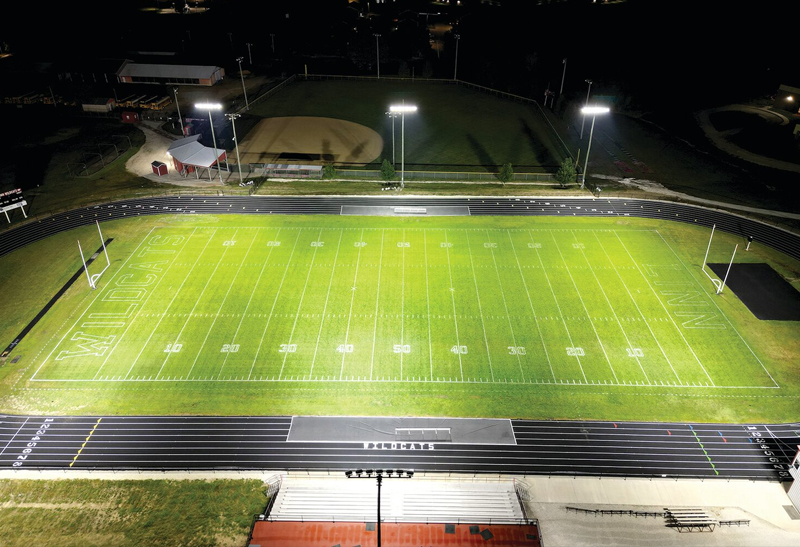
Friday night gets hectic fast. If your staff is waiting on a shaky feed, fighting a dropped connection, or trying to make replay work with gear that was never built for football, the problem usually is not EDGE Replay itself. It is the camera setup. A true edge replay compatible camera system has to do more than connect. It has to give your coaches a clean, stable, usable view every snap, then do it again next week without turning setup into a project.
For most football programs, that means thinking beyond the camera body. Compatibility is really about the full system - the pole or tripod, the camera position, the operator workflow, the quality of the image, and how reliably the footage gets where it needs to go. If one part of that chain is weak, game-day efficiency suffers.
On paper, compatibility sounds simple. In real football operations, it is more practical than technical. Coaches need a camera system that captures the right angles, holds steady in wind, sets up quickly, and works with the replay process the staff already uses.
That is why the best systems are designed around football use first. A tall endzone angle gives coaches the view they need for line play, spacing, pursuit, and structure. A press box setup covers sideline and wide tactical perspective. If the hardware is dependable and the footage is clean, integration with EDGE Replay becomes much more useful because the video itself is coachable.
A lot of teams get tripped up by chasing features that sound advanced but add failure points. Motorized movement, wireless controls, and overly complicated rigs may look good in a product demo. On a windy practice field or during a fast pregame window, those same features can create delays, battery problems, and operator mistakes. A simpler manual system often wins because it is easier to trust under pressure.
When coaches talk about video quality, they often start with resolution. That matters, but stability usually matters first. A high-resolution camera on a weak pole or flimsy tripod still produces bad football video.
Endzone footage has to stay level and readable from an elevated position. If the pole flexes too much, the tripod shifts, or the mount introduces wobble, coaches lose detail where it matters most. That includes line splits, backfield action, run fits, and secondary spacing. For replay use, shaky footage is not just annoying. It slows decision-making.
A dependable edge replay compatible camera system should be built around stable support hardware. That means a field-tested endzone pole, a tripod with real strength in the legs and head, and a setup that does not require constant adjustment once it is in position. The camera is only as useful as the platform holding it.
Football staffs do not need one more thing that takes 30 minutes and a specialist to assemble. Setup speed matters because game day already has enough moving parts. It also matters during practice, where the person handling video may also be doing three other jobs.
A good system should be straightforward enough that a coach, manager, or video assistant can deploy it quickly with minimal training. That means clear manual controls, predictable mounting, and hardware that travels well. If your current setup needs troubleshooting every time it comes out of the case, it is costing the program more than the purchase price suggests.
This is where purpose-built football systems separate themselves from generic camera supports. Equipment designed for football understands the environment - uneven ground, wind, time pressure, repeated transport, and operators who need consistency more than fancy controls.
An edge replay compatible camera system is not just about whether video can upload or display correctly. It is also about whether the angle gives coaches what they need once it reaches replay.
For endzone filming, height is a major factor. A lower angle may be easier to manage, but it can flatten the view and hide spacing. A properly elevated endzone camera gives a more complete picture of fronts, run paths, pass concepts, and leverage. For many programs, a tall endzone system paired with a press box camera creates the most useful game and practice workflow.
That does not mean every team needs the same configuration. A varsity program with a dedicated video staff may want a full game-day package with both views every week. A smaller staff may prioritize one angle first, then add the second position later. The right choice depends on staff capacity, budget, and how heavily the program uses replay during live action.
Once stability and placement are handled, image quality becomes more valuable. Coaches need enough clarity to identify assignments, technique, and movement without fighting the picture. A system should deliver a sharp, usable image in real football conditions, not just in ideal light.
That said, more expensive is not automatically better. Many programs overspend on camera specs while underinvesting in the support structure and workflow. The result is premium image capability attached to a setup that is too fragile or complicated for weekly use. In practical terms, a reliable camera with strong optics on a stable football-specific system often outperforms a higher-end camera on generic hardware.
There is a reason experienced staffs often prefer manual systems. They are direct, predictable, and easier to maintain over time. You do not need to wonder whether a wireless signal will hold or whether a motor will respond correctly in the middle of a series.
That does not mean advanced features are always bad. Some programs can support them, especially if they have dedicated personnel and a controlled workflow. But for many high schools and academies, reliability wins. A manual camera control approach reduces technical friction and keeps the operator focused on framing the play instead of managing the equipment.
This is one of the biggest buying decisions to get right. If the system looks impressive but creates more points of failure, it is probably the wrong fit for a football staff that needs repeatable results.
If you are comparing options, start with how the system performs on a field, not how it reads in a spec sheet. Ask whether it stays stable at full height, whether one person can set it up quickly, whether it travels easily, and whether the footage is consistently usable for replay and coaching.
It also helps to think about who will run it. Some programs have experienced video coordinators. Others rely on assistant coaches, student managers, or rotating staff members. The best system is one that works well even when the operator is not a camera expert.
Look closely at durability too. Football equipment gets loaded in and out, moved across turf and track, and used in heat, wind, and occasional bad weather. If the hardware feels delicate in a showroom or online demo, that should raise a flag.
Programs that want a straightforward, football-built approach often lean toward systems like those offered by Game Day Endzone because the focus stays on field reliability, stable engineering, and fast deployment instead of unnecessary complexity.
The most common mistake is buying around the camera and ignoring the system. Another is choosing the cheapest support hardware available, then wondering why the footage is hard to use. A third is overcomplicating the setup with features the staff does not need and cannot easily maintain.
There is also a budget trap here. Some programs assume they need to spend top dollar to get replay-ready video. In reality, value comes from matching the equipment to the workflow. A dependable endzone pole, a strong press box tripod, and quality optics often produce better weekly results than a more expensive but less practical setup.
That is especially true for teams trying to improve both game-day replay and practice filming. The most useful investment is usually the one that gives coaches consistent video with minimal downtime.
Every football program wants clean video and smooth replay access, but the right solution depends on your staff and schedule. A larger program may need a complete two-angle package ready every game. A smaller school may need a single dependable setup that can handle both practices and Friday nights. Neither approach is wrong if the equipment supports how the team actually operates.
That is the key idea coaches should keep in mind. An edge replay compatible camera system is not defined by a single feature or label. It is defined by whether it gives your staff dependable, coachable footage with a setup process that makes sense week after week.
If the system is stable, simple, durable, and built for football, it will do more than check a compatibility box. It will help your staff get the right view, make faster decisions, and spend less time fighting equipment when the focus should be on the next snap.