
July 23, 2026
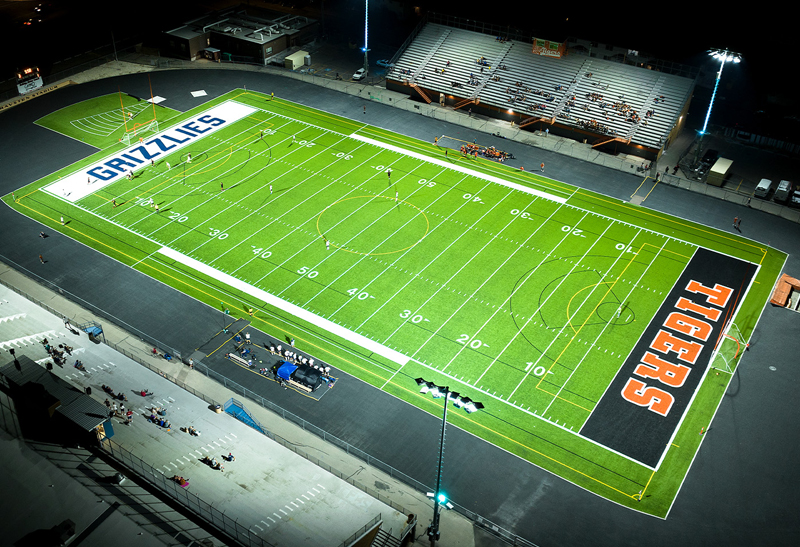
A missed angle can cost a staff more than a missed clip. When the endzone view shakes, the press box camera cannot hold the full formation, or the operator is still troubleshooting at kickoff, the video is less useful when coaches need it most. The right school football video packages give a program dependable coverage for game-day replay, postgame breakdown, opponent scouting, and daily player development without turning filming into another job for the coaching staff.
For most programs, the best package is not the one with the longest feature list. It is the one that produces stable, usable footage every time, fits the staff's workflow, and can move from Friday night to Monday practice with minimal effort.
A complete package should be built around the views your staff actually uses. For football, that usually means a high endzone angle for formation and scheme evaluation, a press box or sideline angle for broad game coverage, and a practical practice setup for daily teaching film.
The endzone system is the foundation. A 25-foot camera system provides the elevated perspective coaches need to see line play, coverage structure, leverage, run fits, and route spacing. At that height, the camera can capture the entire offensive and defensive picture without forcing an operator to zoom constantly. The result is more consistent coaching film and less time trying to recover information that was never visible in the first place.
A press box tripod setup serves a different purpose. It needs to hold a steady wide shot, especially when the operator tracks explosive plays, returns, and shifts in formation. A sturdy tripod matters more than many buyers realize. Premium camera optics cannot fix a platform that moves in the wind, drifts during a game, or flexes when the operator makes an adjustment.
For practice, a 10-foot pole can be the most frequently used piece of equipment in the package. It gives position groups and team periods an elevated teaching angle without requiring a full game-day setup. Coaches can film inside run, seven-on-seven, special teams, and individual periods, then get the footage into their normal review process quickly.
The camera, mounts, storage, carrying cases, and cables also matter. A package is only complete if those pieces work together in the field. Schools should avoid buying separate components that appear compatible on paper but create setup issues, missing adapters, or vulnerable connection points on game day.
Before comparing equipment, identify what happens after the film is captured. Does the program use a sideline replay platform during games? Does a video coordinator upload footage after the final whistle? Does one coach run the camera, or will student managers and assistants rotate through the role?
These answers should shape the purchase. A system that works with Hudl Sideline, EDGE Replay, Game Strat, or SkyCoach can fit into an established workflow without requiring the staff to reinvent its process. Compatibility is not just about connecting a camera. It is about getting usable footage where coaches need it, at the pace they need it.
Programs should also be honest about staffing. A technically advanced system may look appealing, but it can become a liability if only one person knows how to operate it. Manual controls are often the smarter choice for high school and academy programs because they are direct, teachable, and less dependent on batteries, wireless connections, or motorized components that can fail at the wrong time.
That does not mean every program needs identical equipment. A program with a staffed press box and a dedicated video coordinator may benefit from a more expansive package. A smaller staff may need a simpler setup that can be deployed by one manager in less than five minutes. The right choice depends on operations, not appearances.
Football video equipment lives in real conditions: wind, uneven ground, damp grass, crowded sidelines, narrow press boxes, and fast turnaround times. Buyers should evaluate the physical design as closely as the camera specifications.
An elevated endzone angle is valuable only when the support system stays stable. Look for a pole and tripod design built to resist movement while remaining practical to transport. A system that reaches the needed height but requires extensive balancing, sandbags, or repeated adjustment may slow down the crew and compromise the footage.
A stable setup also protects the camera. Secure mounts and reliable locking points reduce the risk of equipment shifting during a game or being damaged while moved between fields. This is especially important for programs that play home and away schedules and need gear that travels well.
Good football footage is not simply high resolution. Coaches need a clear, properly framed view that allows them to identify personnel, alignment, movement, and assignment. The camera and lens should provide enough detail for review while maintaining a wide enough frame to show the football context around each player.
Over-zooming is a common problem. If the operator is chasing the ball too tightly, the staff loses the coverage shell, backside pursuit, or blocking structure that explains the play. A well-positioned endzone camera reduces that problem by creating a consistently useful wide angle.
The most expensive system is not always the best value if it takes too long to set up. School schedules are tight. Teams may share fields, arrive late after travel, or need to move quickly when weather changes. Equipment should be easy to carry, intuitive to assemble, and straightforward to secure.
Game Day Endzone systems are designed around this reality, with stable tripod engineering and manual operation that helps staffs get from case to filming position without unnecessary complexity. That practical approach matters when the person setting up the equipment also has responsibilities in the locker room, on the headset, or with players.
Packages can become overpriced when they include technology that sounds impressive but does not solve a real operational problem. Motorized controls and wireless features, for example, may have a place in certain environments. They also introduce more points of failure, more charging requirements, and more troubleshooting when time is limited.
For many school programs, a durable manual system offers better day-to-day value. Staff members can make adjustments immediately, train new operators faster, and avoid relying on a connection that may be unreliable near a crowded stadium. Reliability is a feature, even if it does not appear as flashy on a specification sheet.
The same thinking applies to package size. A varsity program that films games, practices, and sub-varsity teams may need both endzone and press box coverage plus a dedicated practice pole. A program purchasing its first serious setup may be better served by starting with the core views it can consistently operate. Equipment that stays in storage does not improve film.
The value of a video package compounds when it supports the entire week. Endzone footage can sharpen Sunday correction meetings. Practice film can reinforce Tuesday installation. Scout periods can help players recognize the looks they will see on Friday. Position coaches can use clear clips to teach footwork, reads, hand placement, and leverage in ways that verbal corrections alone cannot match.
That broader use should affect where a program spends its budget. Prioritize equipment that is portable enough for daily practice, durable enough for a season of travel, and simple enough that the staff will use it regularly. A camera system should become part of the football operation, not a specialized item pulled out only for major games.
Also consider replacement and support before purchasing. Equipment will be handled by different people, loaded onto buses, exposed to weather, and used under time pressure. Warranty coverage, available technical support, and access to knowledgeable guidance can matter as much as the initial price when a program is building a long-term filming operation.
The best package gives coaches a clear view of the game and gives the people running it confidence that the system will be ready. Choose the equipment your staff can set up quickly, operate confidently, and trust when the next snap matters.