
August 7, 2026
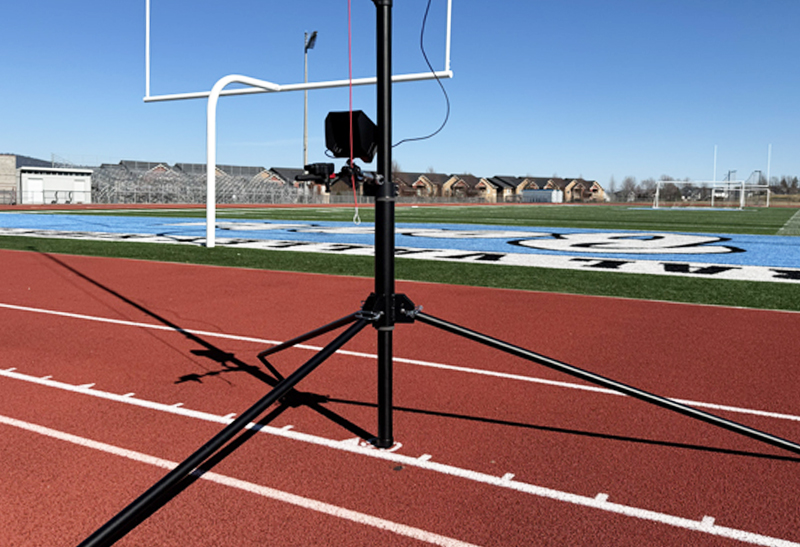
A camera system rarely fails at a convenient time. It fails during a rivalry game, in poor weather, when the only staff member who knows the setup is absent, or when a coordinator needs the last drive on the replay system immediately. This athletic department video refresh guide is built for football programs that need to replace aging equipment without creating new game-day problems.
A refresh is not just a camera purchase. It is an operational decision about how your staff captures, reviews, uploads, transports, and stores video. The right plan gives coaches usable footage from the first practice through the final game. The wrong plan can leave a program with expensive equipment that is difficult to deploy or does not fit its existing workflow.
Many departments wait until a system completely breaks before replacing it. That approach can force a rushed purchase in the middle of a season. A better approach is to watch for performance issues that show the system is no longer supporting the program.
Start with reliability. If the tripod shifts in wind, the camera mount has play, the image shakes during critical snaps, or cables and controls require constant troubleshooting, the system is costing more than repair time. It is costing the staff confidence in the film.
Next, look at the setup process. A football video system should not require a specialist, a complicated wireless connection, or 20 minutes of assembly before every session. Staff turnover is common in school athletics. Equipment needs to be simple enough that a coach, manager, or trained student can set it up correctly under normal game-day pressure.
Finally, assess whether the current system matches how your program uses video now. A team that added sideline replay, increased offseason practice coverage, or began sharing film more frequently may have outgrown a basic single-camera setup. The refresh may call for a better game-angle solution, a dedicated practice pole, or both.
Before comparing equipment, document what happens from the moment the camera case leaves storage to the moment video reaches coaches and players. This step prevents a common mistake: buying a strong camera setup that creates friction somewhere else in the process.
For endzone film, height is not a luxury. Coaches need to see formation structure, run fits, receiver spacing, secondary movement, and the full development of the play. A 25-foot endzone camera system gives the operator the elevated angle needed to capture the field without sacrificing a stable platform.
The key word is stable. Height without a properly engineered tripod and secure mounting system can produce footage that moves, tilts, or becomes unusable in wind. Review where the system will sit, how far it needs to travel from the field house, and whether the operator can make adjustments without fighting the equipment.
Press box film deserves the same attention. If your program uses a high sideline angle for coaching, scouting, or postgame breakdown, verify that the tripod works in the press box environment. Railings, narrow walkways, uneven surfaces, and limited room for operators all affect which setup is practical.
Practice coverage usually requires faster movement and more frequent setup changes than Friday night film. A 10-foot practice pole can make it easier to capture inside run, team periods, special teams, and individual work without building a complicated setup at every station.
Do not assume game equipment must handle every practice assignment. A tall endzone system may provide excellent game footage but be more than a staff needs for a short practice period. Dedicated practice equipment can protect the larger system from unnecessary wear while helping coaches collect more usable teaching film.
Your video equipment is only one part of the process. Confirm that it works with the cameras, tablets, capture methods, and file workflows your staff already uses for platforms such as Hudl Sideline, EDGE Replay, Game Strat, or SkyCoach.
Compatibility is not limited to whether video can eventually be uploaded. Ask whether the footage can get to the correct platform quickly enough to matter during a game. Confirm the camera connection requirements, power needs, file format expectations, and who is responsible for managing each step. A system that produces sharp film but slows down sideline review may not be the right operational fit.
Equipment budgets matter, but starting with price alone usually leads to compromises that show up later. Write down the non-negotiables first: required filming angles, expected setup time, portability, number of operators, weather exposure, and replay compatibility. Then compare systems against those needs.
For most football programs, the strongest value comes from equipment that can be used repeatedly by different staff members without delicate handling or lengthy calibration. A lower-cost system is not truly less expensive if it requires repairs, produces unstable video, or remains in storage because no one wants to set it up.
There are trade-offs. A smaller, lighter system may be easier to transport but offer less stability at height. A motorized or wireless design may sound convenient, but it adds components that depend on batteries, connectivity, and controls working correctly. For programs that value consistency, manual controls often provide a better answer. They are direct, easy to understand, and less likely to introduce a failure point during a game.
Consider the cost of buying separate pieces over time versus building a complete package. Bundled systems can make sense when a department needs endzone, press box, and practice coverage at once. Buying one component at a time may be better when the program has a working tripod or camera that can remain in service. The right choice depends on what is still reliable and what is creating daily friction.
Football filming equipment takes abuse. It gets loaded on buses, carried across fields, stored in equipment rooms, used in heat and rain, and handled by more than one person. Look beyond a product photo and ask practical questions about construction, mounting points, tripod design, optics, carry cases, warranty coverage, and available technical support.
A dependable system should set up in less than five minutes once the operator has been trained. That standard matters because it leaves staff free to manage players, communicate with coaches, and handle the other details that pile up before kickoff. It also makes the system more likely to be used consistently at practice.
Premium optics are equally practical. Clear footage helps position coaches evaluate details without guessing. The goal is not cinematic video. The goal is a clean, wide, stable view that gives coaches the information they need to teach and make decisions.
Game Day Endzone systems are designed around this type of use: stable elevated filming, portable setup, manual operation, and equipment configurations that support both game and practice coverage. Whatever system you select, prioritize the same principle - it needs to work every time, not only when conditions are ideal.
New equipment should be tested before it is needed in a live game. Set up the system during a practice, film multiple periods, transfer footage through the normal workflow, and let coaches review the results. This exposes small issues while there is time to correct them.
Assign clear ownership as well. One person should be responsible for equipment storage, basic inspection, battery and cable checks, and keeping the setup instructions accessible. Another staff member should be trained as a backup. Video coverage should not depend on a single person being available every Friday.
Before the season, use a short field test that covers four areas:
This test is also the right time to establish a standard filming plan. Decide who shoots each angle, where they stand, when the camera begins recording, and how files are labeled. Clear routines make quality video repeatable.
The biggest mistake is buying for specifications instead of use. A system can advertise impressive features yet still be a poor fit if it is hard to carry, awkward to deploy, or incompatible with the staff's normal game-day process.
Another mistake is treating all video needs as identical. Endzone, press box, and practice film serve different coaching purposes. A department may not need the most elaborate setup for every task, but it does need the right tool for each important angle.
Do not overlook training and maintenance. Even durable equipment performs better when staff know how to secure it, pack it, inspect it, and report issues early. A five-minute preseason walkthrough can prevent a preventable problem on a game night.
The best refresh gives your coaches one less thing to worry about. When filming gear is stable, portable, and easy to run, video becomes what it should be: a dependable part of preparation, coaching, and player development.