
August 4, 2026
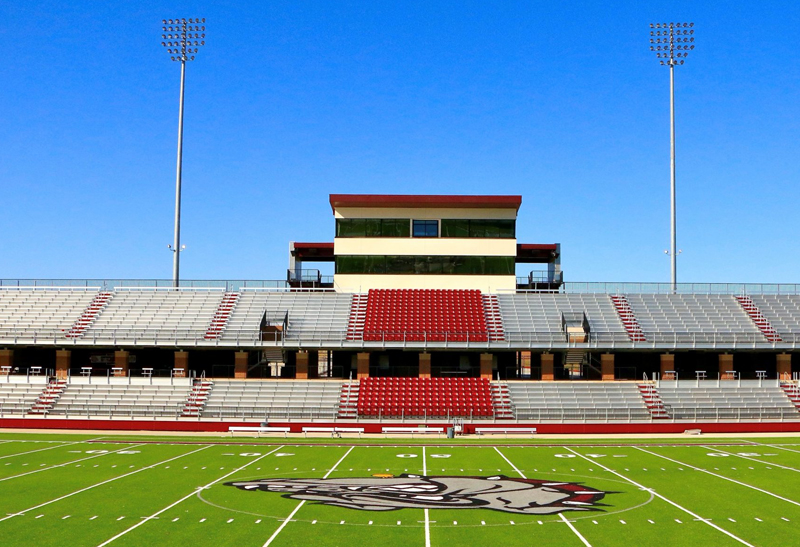
A replay setup earns its value in the moments when the call is close, the clock is moving, and a coach needs an angle now. This football replay equipment guide focuses on the equipment decisions that determine whether your staff gets clear, usable video or spends Friday night fighting shaky footage, dropped connections, and a camera position that misses the play.
The right system is not necessarily the one with the longest feature list. For most football programs, the best replay equipment is dependable, fast to deploy, easy for staff to operate, and compatible with the platform already used on the sideline. That means starting with the field view, then building a setup that supports it.
Football replay depends on perspective. Endzone footage shows blocking surfaces, defensive fits, route distribution, and ball location near the goal line. A press box or elevated sideline view provides the wide tactical picture coaches need for down-and-distance decisions, coverage identification, and halftime adjustments.
A complete filming plan usually includes both. If budget requires a phased purchase, prioritize the angle that solves the biggest gap in your current workflow. A team with reliable press box video but no endzone view should start with a tall endzone system. A program that films practices from a low or inconsistent sideline position may get more immediate value from a portable practice pole and stable tripod setup.
The key is to avoid buying a camera system based only on its advertised height. Height matters, but usable height matters more. The system must remain stable in wind, reach the intended angle without complicated adjustments, and be manageable by the people who will run it each week.
A dependable replay setup has four working parts: a camera, a stable support system, a power plan, and a reliable way to move footage into your replay platform. Weakness in any one area can affect the entire operation.
Your camera needs to produce a clean image from a distance, especially under stadium lights. Resolution is only part of the decision. Strong optics, useful zoom range, accurate focus, and performance in changing light conditions often matter more than a larger number on the box.
For endzone work, the camera must capture the full width of the formation while still giving coaches enough detail to study fronts, leverage, and blocking assignments. A narrow view may look sharp but force the operator to chase the play. An overly wide view can make players too small for quick sideline review. The right framing gives the operator room to follow motion and provides coaches a clear view without constant reframing.
Manual camera control is often the practical choice for football operations. Motorized or wireless systems can sound convenient, but they introduce batteries, signal reliability, pairing issues, and another layer of troubleshooting. A manual system with a solid tripod head gives the operator direct control and keeps the equipment working when the game gets hectic.
A 25-foot endzone camera system gives teams the elevated perspective required for meaningful endzone replay. From that height, coaches can better see the shape of the play: run lanes, edge setting, second-level fits, pass concepts, and red-zone spacing all become easier to evaluate.
Portability should be part of the purchase decision. A tall system that takes too long to transport, assemble, or secure will eventually become equipment that stays in storage. Look for a design built around quick setup, manageable components, and a stable base. Staff should be able to get it into position in less than five minutes without needing a specialist on every trip.
Stability is non-negotiable. At 25 feet, small movement becomes visible on video. A properly engineered tripod, dependable locking points, and a balanced camera mount help reduce shake and prevent the operator from constantly correcting the frame. Teams should also establish a wind policy. Even quality equipment has operating limits, and safety always comes before a preferred camera angle.
The press box angle is the coaching view many staffs rely on most. It should be wide enough to show the full formation before the snap and remain stable as the play develops. A press box tripod setup needs a smooth head, secure leg locks, and enough adjustability to work in different facilities.
Do not assume every press box provides a perfect filming surface. Some are cramped, have limited clearance behind the glass, or include railings that interfere with the shot. Before purchasing, measure the available space and identify where the operator can stand. A compact but stable tripod is often more useful than an oversized model that cannot be positioned correctly.
For programs using a single camera operator, keep controls intuitive. The person filming may be a coach, manager, parent volunteer, or student assistant. The system should not require a long training session to produce consistent footage.
Practice video has different demands than game video. You need fast movement between periods, easy transport across fields, and a dependable elevated view without building a full game-day setup. A 10-foot practice pole can provide the right balance for inside run, team periods, seven-on-seven, special teams, and individual drills.
A practice pole will not replace a 25-foot endzone system for full-field game analysis. That is the trade-off. But it can deliver a major upgrade over hand-held or ground-level footage, where players block the view and alignment is difficult to judge. For staffs that study practice as closely as games, this is often one of the most practical additions to the video operation.
Equipment must work with the platform your staff already trusts. Whether your program uses Hudl Sideline, EDGE Replay, Game Strat, or SkyCoach, the goal is the same: get usable video from the camera to coaches without adding unnecessary steps.
Before buying, map the full workflow from kickoff to postgame. Who operates each camera? How does footage reach the replay system? Is the device powered for the full game? Where are cables routed? Who confirms that both angles are recording before the opening kick?
This process may sound basic, but many replay failures are operational rather than technical. A camera can be excellent and still produce no usable replay if it was not started, ran out of power, was framed incorrectly, or was not connected to the correct device. Build a short pregame check that the entire crew can follow.
A practical checklist should confirm battery level, available storage, camera framing, tripod locks, clean lenses, recording status, and platform connection. It should also include a backup plan. A spare battery, extra storage media, and a second person who knows the setup can save a game when the primary operator is unavailable.
Football equipment is loaded into buses, carried across grass, used in heat and cold, and handled by different people throughout the season. Durability is not a bonus feature. It is what keeps your video program running through district games, playoffs, road trips, and summer installation periods.
Look for equipment with components designed for repeated setup and takedown. Tripod locks should feel secure, mounts should not flex under normal use, and cases should protect equipment in transit. Ask what happens if a part is damaged. Accessible support, replacement options, and warranty coverage matter more than flashy features that are difficult to service.
This is also where bundled equipment packages can make sense. Buying a complete endzone, press box, and practice solution from one football-focused supplier can reduce compatibility questions and simplify training. Game Day Endzone systems are designed around that practical need: professional-quality video capture with stable, manual equipment that a football staff can operate without creating another game-day problem.
The best configuration depends on your people as much as your budget. A larger program with dedicated video personnel may benefit from a complete multi-angle package immediately. A smaller staff may be better served by starting with the angle it can operate consistently, then expanding once the process is established.
Avoid buying for the perfect scenario if your typical Friday night staffing does not support it. Two cameras are only better than one when both are positioned, recording, and monitored correctly. A reliable one-camera endzone setup can be more valuable than a complicated two-camera system that regularly fails to get deployed.
Set your standard around usable footage, not equipment quantity. When your operators can arrive, set up quickly, frame the field correctly, record without interruption, and deliver video to the coaching staff on time, replay becomes a competitive tool rather than another task on the game-day checklist.