
August 11, 2026
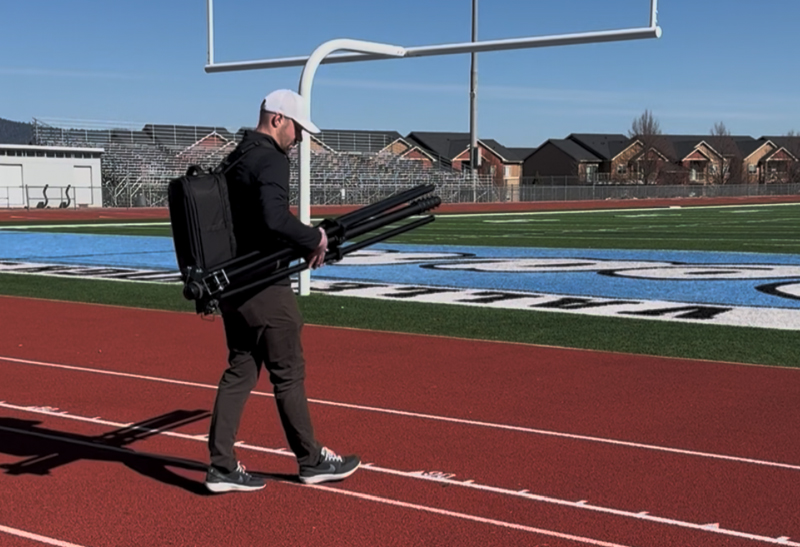
A bad endzone angle usually is not a camera problem. It is a placement, stability, or workflow problem that started before kickoff. Coaches searching for how to set up endzone camera equipment need a repeatable process that produces a high, centered, usable view without turning game-day video into another job for the staff.
The goal is simple: capture every formation, route concept, blocking surface, and defensive adjustment from an angle coaches can trust. A properly deployed endzone system gives the staff clean teaching film and can support live replay workflows when the camera, connection, and platform are prepared correctly.
Place the camera directly behind the center of the end zone whenever the facility allows it. The ideal view is centered on the field, high enough to see receiver spacing and defensive structure, and far enough back that the system does not interfere with players, officials, spectators, or field operations.
Do not automatically set up on the home side. Select the end zone that gives you the clearest line of sight, the most secure ground, and the fewest obstructions. Scoreboards, goalposts, fencing, band equipment, portable restrooms, and people moving behind the end zone can all affect the shot or create a safety issue.
For most football programs, a 25-foot endzone camera system provides the height needed to see the full offensive picture. On a practice field, a 10-foot practice pole may be the better fit when the priority is a fast, portable setup rather than a full elevated game angle. If your stadium provides a suitable press box location, a press box tripod setup can be a strong alternative, especially when weather or facility layout makes endzone deployment difficult.
Before raising anything, check the surface. Firm, level ground matters. Avoid drainage channels, soft turf, steep slopes, and areas where a tripod foot can shift during the game. If the end zone is crowded, establish a small protected perimeter around the equipment so nobody bumps the system after you have framed the shot.
A reliable setup should take only a few minutes once your crew knows the routine. The fastest staffs assign clear roles: one person positions and stabilizes the system, while another handles the camera, power, and replay connection.
Extend the tripod legs fully and set them wide enough to create a solid footprint. Keep the tripod as level as the ground allows, then lock every leg section before adding height. A tall camera system is only as steady as its base, so do not rush this part to save 30 seconds.
If your system uses guy lines or ground anchors, secure them before raising the mast. Tension should support the structure without pulling it off center. In windy conditions, reduce unnecessary adjustments and make sure the area remains clear while the system is elevated.
Raise the pole according to the equipment instructions, locking each section as you go. Do not try to muscle a tall mast upward alone if the system is designed for two-person handling. One person should control the base while the other manages the upper section and camera direction.
Once the camera reaches working height, recheck the tripod and locks. A mast that looked secure at 10 feet can reveal a loose connection at 25 feet. This is also the time to confirm that the camera mount is tight and the camera is level enough to avoid a tilted horizon.
From the end zone, center the field so the yard lines run straight through the middle of the frame. Use a wide enough shot to capture both sidelines and the deepest routes, especially if your team uses wide splits, vertical concepts, or aggressive coverage structures.
Avoid zooming too tight. A close image may look sharp, but it can cut off receivers, safeties, and perimeter defenders - the exact players coaches need to evaluate. The right zoom level depends on camera resolution and height, but the full field width should generally remain visible, with enough room beyond the far sideline to account for slight framing shifts.
Aim the camera toward the opposite end zone, not downward at the near hash. A modest downward angle is normal from an elevated position, but excessive tilt makes depth harder to read and reduces the value of the film for scouting.
Set focus before the opening kickoff. Autofocus can work well in many conditions, but it may hunt when players move through changing light, stadium shadows, or rain. If your camera allows dependable manual focus, set it on the field and verify that players at the far end of the frame remain clear.
Exposure also changes quickly under stadium lights or during a late-afternoon game. Check the image after the lights are on, not just during warmups. Make sure jerseys are visible, the field is not washed out, and the image is not so dark that numbers disappear in the shadows.
Confirm available storage, battery level, and recording format before the game begins. For long game-day use, external power or a planned battery change is safer than hoping one battery lasts through warmups, four quarters, and postgame review.
Modern endzone video is most useful when it reaches the staff quickly. If you use Hudl Sideline, EDGE Replay, Game Strat, SkyCoach, or another established football video workflow, test the connection before teams take the field.
Your specific connection method depends on the camera and platform. Some setups use a direct cable connection, while others may use a supported wireless workflow. The practical trade-off is reliability: wired connections typically reduce the risk of interference, signal drops, and delays. A manual camera control system also keeps the operator focused on framing and recording instead of troubleshooting a motorized system that may not respond when the game is moving fast.
Run a short test recording and verify three things: the image is arriving at the receiving device, the video is properly oriented, and the delay is acceptable for your staff's needs. Do this before warmups end. Trying to diagnose a connection during the first offensive series creates avoidable pressure for coaches and video personnel.
Keep cables secured and out of walkways. Leave enough slack for normal adjustments but not so much that a cable can snag on a tripod leg or get pulled loose. If weather is a concern, protect connection points and keep backup power accessible.
An endzone camera should not be treated as equipment you set up and forget. Assign one responsible operator for each game, even when the camera is stationary. That person should confirm recording is active, monitor framing between series, and be ready to make a controlled adjustment if the camera shifts.
The operator does not need advanced video training. They do need a simple standard: keep the full field centered, do not chase the ball with unnecessary zoom, and verify the red recording indicator after halftime, battery swaps, or weather delays.
A practical pregame checklist can prevent most failures:
Have a backup plan for wind, rain, restricted endzone access, or a facility that will not allow elevated equipment behind the field. That may mean moving to a press box position, using a lower practice pole angle, or recording locally until the live connection is restored. The best video staff is not the one with the most complicated setup. It is the one that can adapt without losing the game.
The most common mistake is placing the system too low. A low endzone view hides route spacing behind linemen and makes it difficult to see safeties, linebackers, and backside pursuit. Height creates the coaching angle.
The next mistake is narrowing the frame to make players look larger. Film is valuable because it reveals relationships across the field. If the shot loses the boundary receiver or deep safety, the staff loses context.
Finally, do not overlook stability. A small vibration at the base becomes a major shake at camera height. Quality tripod engineering, secure locks, and deliberate setup matter more than extra features that add complexity without improving the shot. Game Day Endzone systems are built around that principle: dependable manual operation, stable elevation, and football video that is ready when the staff needs it.
A clean endzone angle becomes part of a program's weekly standard. Build the setup routine during practice, let more than one staff member learn it, and treat the pregame test as non-negotiable. When Friday night gets loud, the camera should already be doing its job.