
July 15, 2026
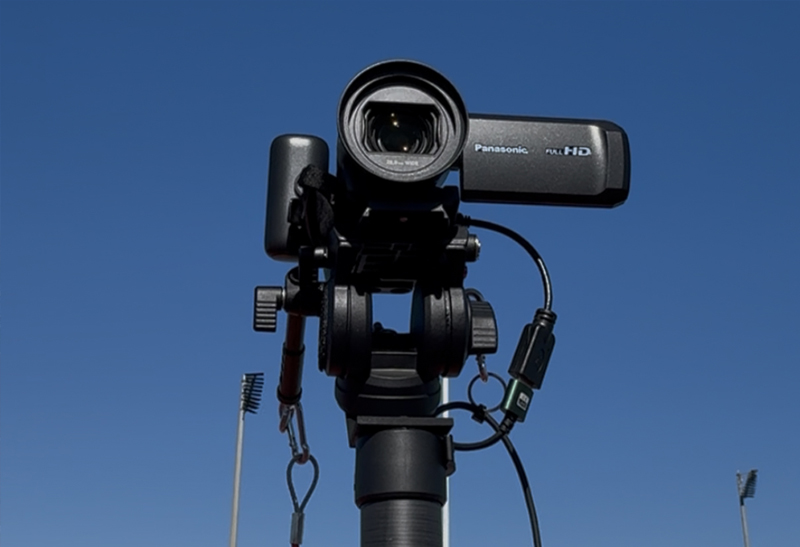
A booster club may be ready to fund video equipment, but that does not mean the program should buy the first package with a camera and a tall pole. A football video system for booster budgets has to do more than look good in a fundraising proposal. It needs to produce usable film on Friday night, travel easily to road games, fit the staff's replay workflow, and keep working after the excitement of the purchase wears off.
For most high school programs, the best value is not the lowest price. It is equipment that eliminates recurring problems: shaky endzone footage, slow setup, a missing angle at practice, or a system only one person knows how to operate. Booster funds should buy a dependable football tool, not another game-day variable.
Before discussing brands, cameras, or package pricing, identify how the team uses film. A program that reviews practice every day has different needs from one that mainly records varsity games. A staff using Hudl Sideline, EDGE Replay, Game Strat, or SkyCoach also needs a practical way to move footage from the field into its existing workflow.
Start with the two angles that make the biggest coaching difference: endzone and press box. The endzone angle shows run fits, blocking surfaces, leverage, and route spacing. The press box angle gives coaches the broad view needed to evaluate formations, coverage structure, and play development. If a system cannot capture these angles clearly and consistently, extra features will not make up for it.
Practice should be part of the plan as well. A 10-foot practice pole can cover team periods and individual work without requiring a full game-day setup. That gives position coaches more film to teach from and helps the program get value from the equipment throughout the week, not just on Friday.
A useful booster proposal separates essential equipment from nice-to-have additions. That makes it easier for donors and athletic administrators to see what the program is buying and why each piece matters.
Height is only valuable when the image stays steady. A 25-foot endzone camera system should be engineered around a stable tripod base, secure connections, and a setup process that can be completed quickly by a manager, parent volunteer, or assistant coach. Film that shakes in the wind or drifts as the operator adjusts position creates more work in the video room.
The system should also be portable enough for road games. Schools do not need equipment that is impressive in a product photo but difficult to load, carry, and deploy near a visitor sideline. A well-designed endzone setup balances reach with practical field use.
The press box camera position may seem straightforward, but it is often where teams discover whether their equipment is truly practical. The tripod needs a stable platform, smooth manual adjustment, and a camera setup that an operator can learn quickly.
Manual controls are often the better choice for programs working within a defined budget. Motorized systems can add cost, charging requirements, wireless connection issues, and more components that can fail at the wrong time. A quality manual system gives the operator direct control and reduces the number of things that must be paired, updated, or troubleshot before kickoff.
Programs should not judge a system only by its advertised height. Lens quality, camera compatibility, mounting security, and image stability all affect the final result. The goal is film coaches can pause, review, and teach from - not simply footage proving that the game was recorded.
If the team already owns a camera or uses a specific replay platform, make compatibility part of the purchasing conversation. Replacing equipment that already works may not be the best use of booster dollars. In other cases, buying a coordinated bundle can prevent the mismatch problems that come from piecing together tripods, poles, mounts, and accessories from different sources.
Booster clubs respond well when a request connects equipment to a clear program outcome. Instead of asking for a "video setup," explain that the purchase supports game film, sideline replay, scouting, player development, and practice evaluation. Those are operational needs coaches, players, and families can understand.
The proposal should also account for the full cost of ownership. A low-cost system that needs frequent replacement parts, takes two people to set up, or produces unstable footage is not a bargain. Likewise, a highly automated system may be more than the program needs if the added technology does not improve the staff's film process.
When funds are limited, prioritize in this order: dependable endzone capture, a stable press box setup, and a practical practice filming option. Accessories can be added later. The core system should work every time without requiring a technology specialist on the sideline.
It can help to present the purchase as a multi-year investment. Ask how many seasons the equipment is expected to serve, what warranty and support are included, and whether components can be replaced individually if damaged. A system that remains useful through coaching changes and graduating managers is easier to justify than a short-term solution.
The most common budget mistake is buying based on a single feature, usually maximum height or the lowest advertised price. A tall pole without a stable tripod and secure mounting system can create poor footage. A complicated wireless setup can consume valuable pregame time. Equipment that is difficult to transport often stays in storage for road games and eventually gets used less than planned.
There is also a staffing reality to consider. Many football programs rely on student managers, volunteers, or rotating staff to operate video equipment. The best system is not the one with the longest feature list. It is the one a prepared operator can set up in less than five minutes, run through an entire game, and pack away without confusion.
That does not mean every program needs the same package. A large varsity program with daily practice film may benefit from a complete endzone, press box, and practice setup from the start. A smaller program may choose to begin with its highest-priority game angle and add equipment as booster support grows. The right decision depends on current workflow, staffing, and how often the team will use each component.
A strong proposal anticipates the questions decision-makers will ask. Who will operate it? Where will it be stored? Will it work with the program's current video platform? Can it be used for subvarsity games and practice? What happens if a part is damaged?
Answering those questions before the purchase builds confidence. It also prevents the equipment from becoming a coach-only system that no one else can set up. Create a simple operating checklist, assign responsibility for charging and packing the camera, and run the setup before the first game. These small steps protect the investment.
Game Day Endzone systems are designed around this kind of field reality: stable football filming, portable equipment, premium optics, and straightforward manual operation. For a booster-funded purchase, that focus matters because reliable equipment keeps delivering value long after the fundraiser ends.
The best booster investment is the one that gives coaches a clear view of the game, gives players better teaching film, and gives the video operator confidence before the first snap. Buy for the conditions your program faces every week, and the system will earn its place in the football operation.