
July 29, 2026
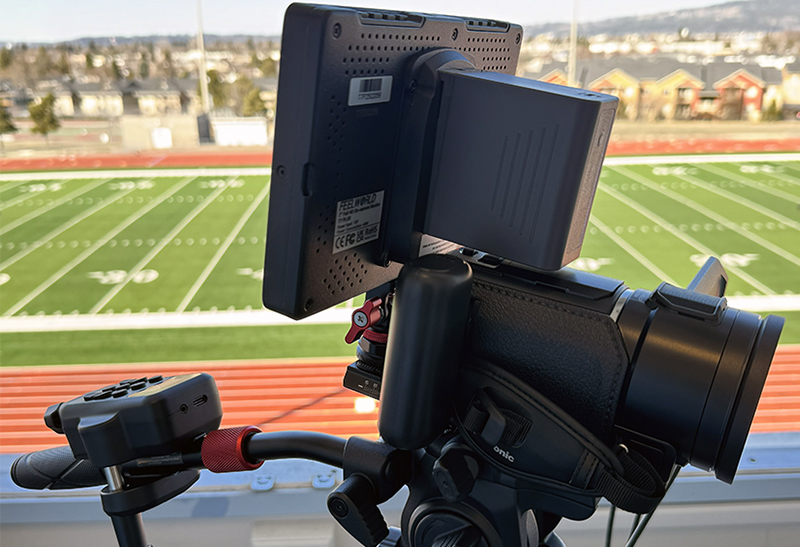
A press box tripod has one job on game night: hold the camera steady, keep the field framed, and stay out of the way of everything else happening before kickoff. This press box tripod review looks at what football programs should expect from this type of setup, where it fits in a complete video workflow, and which details separate dependable equipment from a frustrating weekly problem.
For many high school programs, the press box position is the primary game-film angle. It gives coaches a wide, elevated view for grading, scouting, teaching, and uploading to their preferred platform after the final whistle. That angle only helps if the support system is stable, quick to deploy, and simple enough for a manager or assistant coach to operate correctly every time.
A press box tripod is not a consumer camera stand repurposed for football. It is field equipment. It needs to support a camera at a useful working height, remain planted on press box flooring or outdoor platforms, and allow the operator to pan smoothly from formation through the whistle.
The first test is stability. A tripod that flexes when the camera pans, shifts when someone walks past it, or wobbles at full height can ruin otherwise usable film. Small shakes become more noticeable when the camera is zoomed in, and they make it harder for coaches to study blocking assignments, route depth, and defensive movement.
The second test is control. Football is played across the full width of the field, often with sudden changes of direction. The operator should be able to make controlled pans without fighting a loose head or dealing with jerky movement. A stable base and practical manual controls matter more than extra features that add setup time without improving the picture.
Finally, the equipment has to travel well. Press box space can be tight. Some stadiums have stairs, narrow doors, uneven surfaces, and limited room around the camera position. A tripod that breaks down cleanly, carries without a struggle, and sets up in less than five minutes saves time when the crew is already managing radios, laptops, power, and pregame responsibilities.
The leg system carries more responsibility than most buyers realize. Good height is useful, but it means little if the tripod becomes unstable when fully extended. Look for strong leg sections, dependable locking mechanisms, and a footprint that feels planted rather than narrow and top-heavy.
This is especially important in older press boxes and temporary filming locations. The surface may not be perfectly level, and operators may need to work around chairs, cables, or other staff. A quality tripod should give the crew a stable platform without requiring constant adjustment through the game.
The head determines how the camera follows the play. For football, a smooth pan and tilt system is more useful than a basic photo-style ball head. The operator needs to track pre-snap motion, follow a run to the edge, and stay with a deep pass without abrupt movement in the footage.
The best feel is controlled rather than overly loose. If the head is too tight, the operator can lag behind the action. If it is too loose, the camera can drift or stop unevenly. A manual video head gives the person filming direct control and avoids the extra failure points that can come with motorized systems.
A press box tripod should put the lens at a useful level for the location. In many stadiums, the press box already supplies the elevation needed for a clean sideline view. The tripod's role is to position the camera above railings, seating, or nearby obstructions while preserving a stable shooting position.
More height is not automatically better. A tall setup with insufficient stability can create vibration, especially in wind or on flexible platforms. Before buying, consider the sightline at your home field and the stadiums on your schedule. If the camera position is behind glass, beneath a low ceiling, or on a crowded deck, overall usability matters more than maximum extension.
The tripod should work with the camera your program already uses or plans to purchase. Confirm the mounting system, load capacity, and balance with the camera, battery, and any accessories attached. A setup that appears fine with a lightweight camera may become difficult to operate once a larger battery or external monitor is added.
Compatibility also extends beyond the physical mount. The footage needs to fit your team's workflow, whether that means uploading after the game or supporting a sideline replay process through platforms such as Hudl Sideline, EDGE Replay, Game Strat, or SkyCoach. The tripod is not the replay system, but stable, properly framed film is the starting point for every one of those workflows.
The press box angle gives coaches the wide tactical view. It is typically the best place to capture personnel, formation structure, coverage shells, motion, and the full development of a play. For postgame evaluation, that elevated sideline perspective remains essential.
It does not replace an endzone system. The endzone angle provides the depth coaches need to evaluate line play, run fits, quarterback mechanics, and the relationship between routes and coverage. Programs that want complete film should think of the two angles as complementary rather than interchangeable.
A practical equipment plan often includes a press box tripod for game video, an elevated endzone camera system for the opposite coaching angle, and a shorter practice pole for daily team periods. That structure gives the staff reliable footage without forcing one piece of equipment to solve every filming need.
Game Day Endzone builds its equipment around that real-world division of labor. The goal is not unnecessary complexity. It is giving football staffs dependable tools for the locations where they actually film.
Some video equipment looks impressive because it adds wireless controls, motors, apps, or automated tracking. Those features can have a place in specialized applications, but a football program should judge them against game-day reality.
Motorized systems require power, pairing, software updates, and another layer of troubleshooting. Wireless operation can introduce connection issues at exactly the wrong time. A straightforward manual press box tripod keeps the operator in control and reduces the number of things that can fail before a key rivalry game or playoff matchup.
Manual operation also makes training easier. A student manager can learn to level the tripod, mount the camera, frame the field, and follow the ball with clear instructions. That matters for programs where the person filming may change from season to season.
A low-cost tripod can be tempting, particularly when a program is replacing several pieces of video equipment at once. The trade-off often shows up during use. Thin legs can vibrate, plastic locks can wear down, and lightweight heads can become difficult to control with a full camera setup.
Avoid treating a press box tripod as an afterthought. If the camera support fails, the quality of the camera itself does not matter. Film that is shaky, poorly framed, or incomplete creates more work for coaches and provides less value for players.
Also consider the support behind the equipment. Football staffs need clear setup guidance, practical answers about camera compatibility, and access to help when a new operator is learning the system. A warranty is useful, but responsive product knowledge is just as valuable when the first game is approaching.
A dedicated press box tripod is a smart purchase for programs that regularly film varsity, junior varsity, freshman, or academy games from an elevated sideline position. It is particularly useful when the team relies on consistent game film for self-scouting, opponent breakdown, recruiting clips, or replay operations.
It may not be the first purchase for a program that has no elevated filming location and needs endzone film first. In that case, an endzone camera system may deliver the more immediate coaching benefit. The right answer depends on your home facility, the angles your staff needs, and whether you are building a complete video package or replacing one weak link.
Before the next season starts, have someone stand in your normal press box filming location and identify the real obstacles: rail height, ceiling clearance, walking traffic, power access, and the camera path from sideline to sideline. A press box tripod that fits that environment will keep your crew focused on the game, not on the equipment.