
April 27, 2026
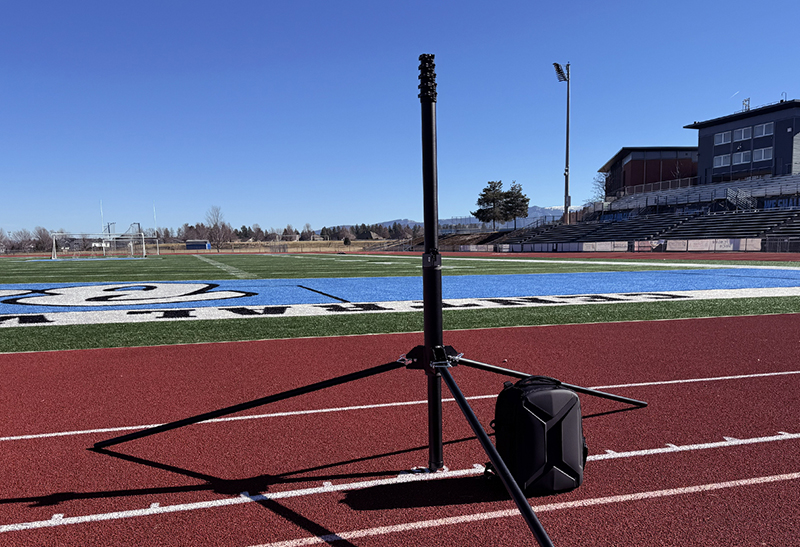
Friday night is not the time to find out your camera pole wobbles, your tripod slips, or your video workflow depends on one finicky wireless connection. That is why endzone filming packages matter. For football programs, the right package is not just a camera support system. It is the difference between clean coaching tape and missed angles, between a smooth game-day operation and a sideline distraction your staff has to babysit.
Most teams are not shopping for parts. They are trying to solve a full operational problem. They need endzone and press box angles that are stable, easy to deploy, and compatible with the replay or upload platforms they already use. They also need equipment that assistants, student managers, or video staff can run without turning setup into a 30-minute project.
A real package should cover the core filming needs for both games and practice. In most football settings, that means an elevated endzone angle, a press box or sideline tripod setup, and a practical way to capture practice footage without dragging game-day gear onto the field every day.
The strongest endzone filming packages usually include a tall endzone camera system, often around 25 feet, because that height gives coaches a true tactical angle. You can see spacing, leverage, fit, and route development much more clearly than you can from a low or improvised position. If the angle is too flat, the footage may still be watchable, but it loses a lot of value for breakdown and corrections.
A press box tripod matters just as much. Plenty of staffs focus on the endzone tower first, then realize their wide angle is being captured on an unstable or generic setup that was never designed for repeated football use. Good packages solve both angles together so your game film is consistent from week to week.
Practice equipment is another piece buyers sometimes overlook. A 10-foot practice pole can be the right answer for daily filming because it is faster to move, simpler to manage, and better suited to repeated use during drills and team periods. If a package includes both game-day and practice solutions, it often saves money and reduces workflow headaches over the course of a season.
There is a reason many programs stop piecing together gear and move to bundled systems. Football video is operational. Every extra adapter, mismatched clamp, or unstable support point creates one more chance for failure.
A package approach helps in three ways. First, it gives teams equipment that is designed to work together. Second, it simplifies buying decisions for athletic departments and coaches who do not want to compare ten separate components. Third, it usually improves value. Buying a complete setup often costs less than sourcing each item one at a time, especially once you factor in replacement parts, setup frustration, and wasted staff time.
There is also a training advantage. When all the gear follows the same design logic, your staff learns it faster. That matters more than people think. A lot of football programs rely on multiple operators throughout a season, and the system needs to be straightforward enough that it performs even when the usual video person is unavailable.
Height gets attention, but height alone does not make a package useful. Stability is usually the first thing experienced buyers evaluate. A tall system that shakes in wind or shifts during live play creates footage that is technically captured but hard to use. Stable engineering, dependable tripod design, and secure manual controls matter more than flashy claims.
Setup speed is next. If a crew can get the system in place in less than five minutes, that has real value on game day and at practice. Fast setup means less stress before kickoff and fewer excuses not to film a weekday session. Complicated systems often look impressive in a product demo, but they lose appeal when a coach is standing on wet grass trying to get video ready before warmups.
Portability should be judged honestly. Some systems are portable in the sense that they can be moved, but not in the sense that a normal staff actually wants to move them. Good packages travel well, store cleanly, and fit the rhythm of a football program. That is especially important for schools that share facilities or need to transport equipment between stadiums and practice fields.
Optics also deserve close attention. If the support system is strong but the image is soft, dark, or unreliable under stadium lights, the package still falls short. Football staffs need clean, usable footage that integrates with their replay and upload process without creating extra correction work later.
Compatibility rounds out the list. Many programs already use platforms like Hudl Sideline, EDGE Replay, Game Strat, or SkyCoach. The right package should support that workflow, not force a new one. Coaches do not want to rebuild their entire video process just to add an endzone angle.
This is one of the most important trade-offs in the category. Motorized and wireless-controlled systems can sound appealing because they promise remote adjustments and less manual handling. In theory, that sounds efficient. In practice, more electronics usually means more points of failure.
Football is not a controlled showroom environment. Wind, cold, dead batteries, signal issues, rushed setup, and hurried operators all show up at the worst possible time. A manual control system is often the smarter choice because it is simpler, more dependable, and easier to troubleshoot under pressure. When a staff says they want equipment built to work every time, that usually points toward mechanical reliability over extra complexity.
That does not mean every motorized product is a bad fit. Some higher-resource programs may accept the trade-off if they have dedicated personnel and a clear reason for that feature set. But for many high school and academy programs, reliability wins. Clean operation beats novelty.
Low price is not the same as value. The least expensive option can become the most expensive one if it has to be replaced, repaired, or constantly adjusted during the season. A better way to judge value is to look at what the package helps your staff avoid.
If the system prevents shaky footage, reduces setup time, survives regular transport, and works with your current video platform, that has real operational value. It saves staff hours. It cuts frustration. It protects the quality of your film library over the full season.
Warranty support and technical help matter here too. A football program is not buying a hobby product. It is buying equipment that needs to perform repeatedly under real field conditions. Support after the sale is part of the package value, especially for schools refreshing old video infrastructure and wanting confidence that the system will stay useful long term.
For most programs running both game and practice film, a complete package makes sense. If you need endzone and press box angles on Friday and a lighter setup during the week, bundling those tools is efficient. It creates consistency across your operation and avoids last-minute workarounds.
There are cases where a smaller purchase may be enough. A program with a newer press box setup might only need an upgraded endzone system. A team with limited practice filming needs may not need a dedicated practice pole right away. That is why the best buying process starts with your actual workflow, not a generic feature checklist.
Still, many teams find that buying once and buying correctly is the better path. It is often easier to standardize your filming operation at the start than to keep patching it with partial fixes all season.
If you are comparing options, ask simple questions. Can your staff set it up quickly? Will it stay stable at full height? Does it travel well? Will the footage be clean and replay-ready? Can it plug into the systems your coaches already trust? And just as important, can a normal football staff operate it without needing a specialist every week?
That standard tends to cut through marketing noise fast. Good endzone filming packages are not about gimmicks. They are about dependable performance, useful angles, and equipment that fits the way football programs actually work. Game Day Endzone is built around that same idea.
The best setup is the one your staff stops thinking about because it simply does its job, week after week.