
June 10, 2026
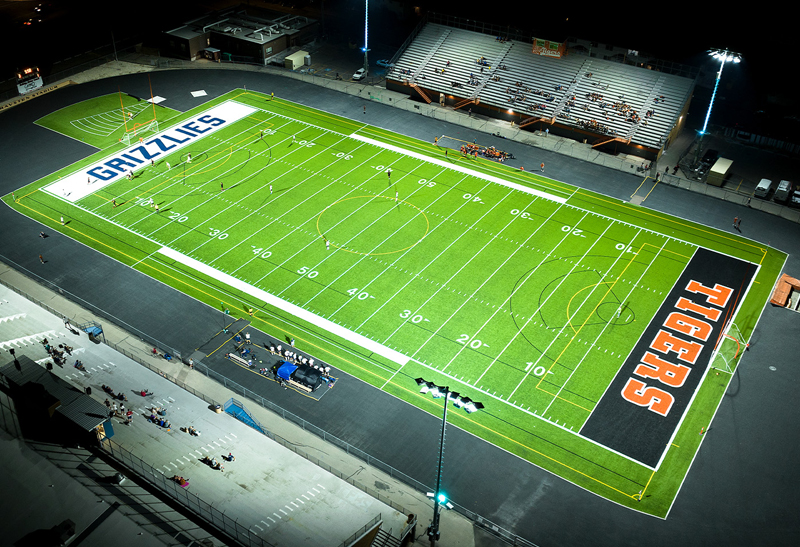
Friday night, the offense is waiting for the correction, the coordinator is asking for the last red zone snap, and the video feed drops because a cable got bumped or the tripod won’t hold steady. That is exactly why a guide to football sideline replay hardware needs to start with one truth: your replay system is only as good as the equipment that supports it on the field.
For most football programs, the goal is not to build the most complicated setup. The goal is to get clean, usable video to the sideline every time, with hardware that sets up fast and holds up through a full season. If you are buying for a high school, academy, or other organized program, the right hardware choice usually comes down to reliability, portability, compatibility, and how easily your staff can run it under pressure.
When coaches talk about sideline replay, they often focus on the software platform. That matters, but the hardware is what determines whether the platform gets a stable, useful video feed in the first place. In practical terms, football sideline replay hardware includes the camera position, the support system, the recording or transmission device, the viewing setup on the sideline, and the power and transport pieces that keep the whole operation moving.
The camera system is the starting point. Most programs need at least one elevated end zone angle and often a press box angle as well. The end zone shot is especially valuable because it shows run fits, leverage, spacing, and blocking structure in a way the sideline angle cannot. If your hardware cannot deliver a stable, high enough end zone view, your replay process is already limited.
Then there is the support system. This is where many programs cut corners and end up paying for it later. A tall camera pole or tripod has to stay stable in wind, on uneven ground, and during repeated use. If the support flexes too much, shifts, or takes too long to assemble, it creates problems before kickoff.
The real buying question is simple: what setup can your staff trust every game?
That usually means avoiding hardware that looks impressive on paper but adds unnecessary points of failure. Football staffs do not need more technology to babysit. They need equipment that works every time, can be operated by managers or assistants without a technical background, and integrates with the replay platform they already use.
For most teams, that points toward a manual, field-proven system rather than a complicated motorized or wireless-heavy build. Motorized features can sound attractive, but they also introduce more parts that can fail, more power demands, and more troubleshooting on a day when nobody has time for it. Manual control systems often win because they are simpler, faster, and easier to trust when the game is moving.
A lot of buying decisions get framed around devices and accessories. A better approach is to start with the video angle your coaches need and then choose hardware that delivers it consistently.
For game day, the elevated end zone camera is often the anchor of the whole setup. A true high-angle look gives coaches clean structure for in-game corrections and post-game breakdown. A 25-foot end zone system is a strong fit for many programs because it creates enough height to improve the coaching angle while still being practical to transport and set up.
The press box angle matters too, especially for route spacing, coverage shell, and overall game flow. If your program uses both views, your hardware needs to be coordinated, not pieced together from random tripods and mounts. Mixed equipment often creates uneven footage quality and inconsistent setup routines.
For practice, a shorter pole system can make more sense. A 10-foot setup is easier to move from period to period and still gives useful teaching film. That is one place where buying based on actual use case matters. The best game setup is not always the best daily practice setup.
If your camera support moves, your video quality drops. It sounds obvious, but it gets overlooked all the time.
Tall systems need strong tripod engineering, solid locking points, and a design that stays planted when conditions are not perfect. Cheap supports may look acceptable in a product photo, but they show their weakness fast on a real sideline. Wind, foot traffic, rough ground, and repeated transport expose every weak point.
This is where durability and portability have to work together. A system cannot be so heavy and awkward that your staff avoids using it, but it also cannot be so light that it becomes unstable. Good football hardware finds that middle ground. It is built to move, built to set up in minutes, and built to stay put once it is in position.
Most programs are not shopping for a replay system in a vacuum. They already use a sideline replay or upload platform, and the hardware has to fit that workflow.
Before you buy, confirm that your camera and support setup works cleanly with the platform your staff uses, whether that is Hudl Sideline, EDGE Replay, Game Strat, SkyCoach, or another established system. Compatibility is not just about whether the feed can technically connect. It is also about whether the setup process is simple, whether the mounting is practical, and whether your staff can repeat it quickly every week.
This is one reason specialized football video equipment tends to outperform generic photo or consumer video gear. Football programs need equipment chosen around football operations, not general content creation. The sideline is not a studio. It is a fast, crowded environment where setup time, cable management, and operator ease all matter.
A sideline replay system can fail even when the camera and platform are good. The weak points often show up in the less glamorous parts of the setup.
Transport is one of them. If the hardware does not pack cleanly, it gets damaged. If it takes too many cases or too many loose parts, items get left behind. Programs should look for systems that store and move as a complete solution, not as a pile of separate components.
Power is another common issue. The more complex the setup, the more potential there is for battery problems, cable clutter, or dead devices at the wrong moment. Simpler systems usually give staffs a better chance to stay operational all game. That does not mean basic footage quality. It means fewer failure points.
Field staffing matters too. Some systems assume you have a dedicated video technician at every game. Many high school programs do not. They may have a coach, a volunteer, or a student manager running the hardware. That reality should shape the buying decision. If your system needs constant adjustment or technical oversight, it may not be the right fit.
The best hardware choice depends on your level, staff size, and current workflow. A varsity program that relies heavily on in-game corrections may need a full game-day package with end zone and press box components. A smaller program may prioritize one great end zone angle first and expand later.
Budget matters, but value matters more. Cheap hardware that shakes, breaks, or wastes staff time is expensive in the long run. On the other hand, the highest-priced option is not automatically the best one. The right buy is the system that delivers pro-level footage, simple operation, and dependable field performance at a price your program can justify.
That is why bundled systems often make sense. Instead of forcing a staff to piece together poles, tripods, mounts, and accessories from different sources, a well-built package gives the team one coherent setup. It also reduces compatibility headaches and shortens the learning curve.
For programs that want a practical path, Game Day Endzone has built its systems around that exact need: durable football filming equipment that is easy to transport, fast to deploy, and designed to work with the replay platforms coaches already use.
Before making a final decision, ask a few direct questions. How long does setup really take with your current staff? How stable is the elevated camera support in real outdoor conditions? Can a non-technical operator run it confidently? Does it integrate cleanly with your replay workflow? And if something goes wrong, is there actual support behind the product?
Those questions usually reveal more than a spec sheet does. They get at the difference between hardware that looks good in a catalog and hardware that performs on Friday night.
A good replay setup should lower stress, not add to it. It should help your coaches coach, help your staff move faster, and give your players better feedback in the moments that matter. If the hardware can do that, it is doing its job.
The best equipment decision is usually the one that makes game day feel simpler six weeks into the season, not just exciting on purchase day.