
April 2, 2026
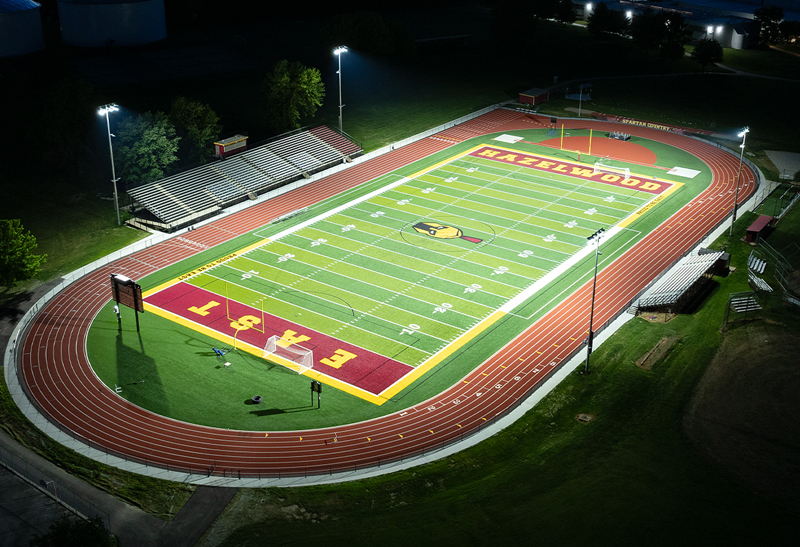
Friday night is the wrong time to find out your game strat camera setup is shaky, too slow to deploy, or incompatible with the way your staff actually works. Coaches do not need another gadget to babysit. They need clean video, a stable platform, and a setup that can be operated quickly by staff members who already have ten other jobs on game day.
That is the real standard for a football filming system. If the camera angle is inconsistent, the tripod flexes in wind, or the operator has to fight the equipment between series, the video becomes less useful for sideline review, postgame breakdown, and player evaluation. A good setup is not just about getting footage. It is about getting the right footage every time.
For most football programs, the goal is simple. Capture a clear endzone angle, maintain stable framing from kickoff to final whistle, and feed video into an established workflow without slowing the sideline down. That sounds straightforward, but plenty of systems miss in the details.
The best Game Strat camera setup starts with reliability, not flash. Manual control is often the better choice for football because it removes extra failure points. Motorized components, wireless controls, and overly complex rigs can look appealing in a product demo, but game day is where those features get tested. Batteries die. Connections drop. Motors drift. A simple, well-built system usually wins because it keeps working.
That matters even more for high school and academy programs, where the person running the camera may be a coach, volunteer, student assistant, or support staff member. The equipment has to be intuitive enough that it does not require a specialist to get useful results.
A dependable system is built around a few non-negotiables: elevation, stability, optics, and speed of deployment. If one of those falls short, the whole setup suffers.
The endzone angle needs height to show spacing, blocking surfaces, run fits, and route structure. A low camera position can still record the play, but it often misses the coaching value. You lose the all-22 feel that makes the endzone copy useful in the first place.
For game use, a tall endzone system is the standard because it gives you the cleanest teaching angle. For practice, a shorter pole can make more sense because it is easier to move between periods and drill locations. That is a good example of where it depends on your operation. A varsity game setup and a daily practice setup do not always need to be identical.
A lot of camera problems are not actually camera problems. They are support-system problems. If the base flexes, the mast sways, or the tripod shifts during normal use, even a good camera will produce poor footage.
This is where engineering matters. A stable platform gives your staff consistent framing and cleaner video in wind and weather. It also reduces operator fatigue. When the system feels planted, the person filming can focus on football instead of fighting the equipment.
A press box tripod has the same requirement. Height and optics matter, but if the tripod is not solid, the video quality suffers quickly, especially when operators are panning or zooming during live action.
Football programs do not need a cinema rig. They need a camera that produces sharp, readable footage under stadium lights and changing field conditions. Clear optics help with player identification, line play, and downfield spacing.
That does not mean every team needs the most expensive camera available. It means the camera should match the use case. If your main priority is sideline review and coaching utility, consistency is more important than chasing premium features you may never use.
A system that sets up in less than five minutes has real value. It reduces pregame stress, makes practice filming more realistic, and lowers the chance that staff skip using the equipment because it feels like a hassle.
That is not a small benefit. The easier a system is to deploy, the more often it gets used correctly.
The right setup depends on how your football program captures, reviews, and uploads video. Start with the workflow, then match the equipment to it.
If your staff relies heavily on endzone footage for immediate correction, your first priority should be a stable elevated platform with simple operation. If your operation also needs press box video, then the full setup should account for both angles without adding unnecessary complexity. Many teams are better served by a complete filming package than by piecing together separate parts over time.
For Game Strat users, the endzone angle is usually the anchor. It needs to be high enough for clean structure and stable enough that the footage stays useful across the full game. That points most programs toward a tall endzone camera system rather than improvised lifts, unstable poles, or generic tripods not built for football use.
If your current footage looks uneven from quarter to quarter, or if operators constantly have to correct drift and shake, the issue may not be training. It may be the hardware.
Simple manual controls are often the right answer for football teams. They are dependable, easier to troubleshoot, and less likely to fail during live operation. That is especially important when the system is being used by different people throughout the season.
There is always a trade-off. Some advanced systems promise more automation or remote functionality. In the right environment, those features can help. But for many programs, added complexity creates more problems than it solves. The best setup is the one your staff can operate correctly every week.
A complete game strat camera setup should also consider weekday use. If your practice filming setup is completely separate, inefficient, or low quality, you create inconsistency in your coaching workflow.
That is why many programs benefit from having both a tall game-day system and a shorter, more mobile practice pole. The game system handles Friday night. The practice setup keeps your daily install, team, and drill footage usable without turning every session into a production.
The most common mistake is trying to save money by building around unstable support equipment. Coaches often focus on the camera body first, then put it on a platform that was never designed for football filming. The result is predictable: shaky footage, operator frustration, and a setup that feels unreliable the moment conditions get tough.
Another mistake is buying based on features instead of field performance. A system can look impressive on paper and still be a poor fit for a real sideline environment. If it takes too long to assemble, requires too much technical oversight, or introduces extra failure points, it is not helping your staff.
The third mistake is treating compatibility as an afterthought. If your team already works within a replay or upload platform, the camera system should support that workflow cleanly. Equipment is only valuable if it fits the operation you already depend on.
Football is a demanding environment for video equipment. You need portability, quick deployment, repeatable height, clean sightlines, and dependable support hardware. General-use video gear does not always hold up when you apply those demands week after week.
Purpose-built systems tend to perform better because they are designed around actual football operations. That means practical height, field-ready stability, and controls that do not get in the way. It also means the setup process is usually simpler, which lowers the odds of operator error.
That is a big reason football programs move away from makeshift rigs over time. The hidden cost of a cheaper setup is not just replacement parts. It is missed video, poor angles, wasted staff time, and equipment that creates more work on game day.
For programs evaluating a full solution, Game Day Endzone focuses on that exact problem: quality video systems designed for football teams that need reliable endzone and press box footage without unnecessary complexity.
If you are evaluating a Game Strat camera setup, ask practical questions. How long does it take to assemble? How stable is it in normal game conditions? Can different staff members operate it without special training? Does it support your current filming and review process without workarounds?
Those questions get you closer to the right answer than a feature sheet alone. A dependable setup should feel repeatable. It should work the same way in August scrimmages, district games, and late-season weather.
The best football video systems are not the ones with the longest list of extras. They are the ones that give your coaches clean, usable footage every week without creating another problem to manage. Pick the setup your staff can trust, and it will pay you back every Friday night.