
March 31, 2026
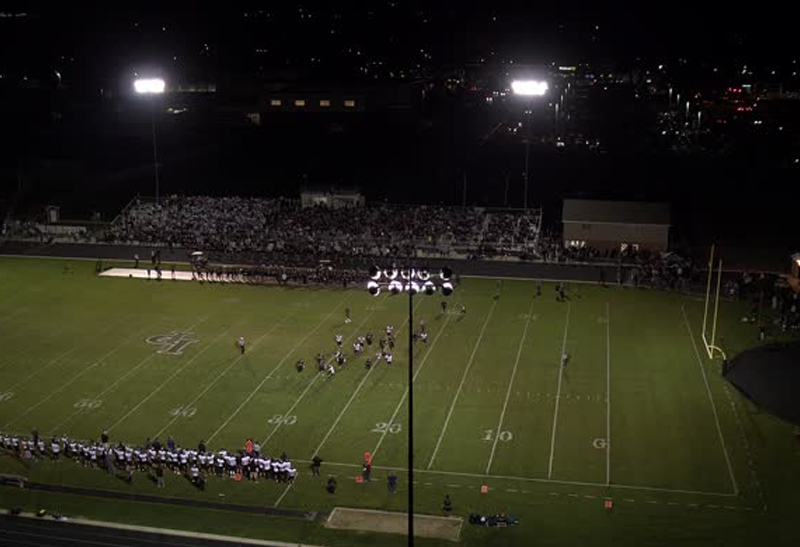
Friday night is not the time to find out your tripod sways, your camera angle is off, or your replay feed keeps getting delayed by a preventable setup mistake. A solid SkyCoach endzone camera setup has to do one thing above all else - work every time. For football staffs, that means stable elevation, clean endzone film, fast deployment, and compatibility with the way your coaches already operate on game day.
SkyCoach is only as effective as the video you feed into it. If the camera shakes in wind, the pole flexes under load, or the operator needs ten extra minutes to get aligned, the problem is not the platform. It is the setup. That is why the best endzone systems are built around reliability first, not gimmicks.
At a practical level, your setup needs four things: enough height to see the full formation, enough stability to hold a clean frame, enough portability to move quickly, and enough simplicity that a coach, manager, or student assistant can run it without drama. Miss one of those and the whole system gets harder to trust.
Height matters because endzone film has a job to do. You are trying to see spacing, leverage, run fits, route structure, and back-end movement from a true teaching angle. A low camera can still record the play, but it often misses the value coaches actually need. That is why many programs prefer a 25-foot endzone system for games and a shorter option for practice.
Stability matters just as much. A tall camera position is only useful if the image stays steady. In real football conditions, you are dealing with wind, uneven sideline surfaces, rushed setup windows, and operators who may not be video specialists. A shaky image makes replay harder and coaching points less clear.
Then there is speed. Your crew should be able to deploy the system in minutes, not spend pregame troubleshooting wireless components or recalibrating motorized parts. A manual control system often wins here for a simple reason - there are fewer failure points.
The support system is the backbone of the entire SkyCoach endzone camera setup. If that piece is weak, nothing mounted on top of it will perform the way it should.
For game-day endzone filming, a dedicated tall endzone pole is usually the right answer. It gives you the elevation needed for full-field teaching tape while keeping the footprint manageable behind the end zone. A well-engineered 25-foot system is a strong fit for varsity programs that want a professional filming angle without adding unnecessary complexity.
For practice, many teams go shorter. A 10-foot pole can be more than enough for drill work, team periods, and developmental film. It is quicker to move, easier to store, and often more practical when you need to change locations throughout practice. The trade-off is obvious - you give up some angle and depth for convenience.
If you are also filming from the press box side, a stable tripod setup rounds out the operation. Most staffs do not need one system to do every job. They need dependable tools for each filming position.
The best setup process is repeatable. Your staff should be able to follow the same sequence every week and get the same result.
Start with placement behind the end zone where the operator has enough room to work and enough distance to frame the field properly. You want a clear line of sight and a stable surface. Soft ground, sloped turf edges, or crowded traffic lanes can all create avoidable problems before kickoff.
Once the pole or support is in place, secure the base and confirm the system is level. This step gets skipped too often, and it usually shows up later as drift, tilt, or operator overcorrection. A stable foundation reduces work for everyone after the camera goes up.
Next, mount the camera and verify balance. The goal is not just to get the camera attached. The goal is to keep the system controlled when raised to operating height. If the load feels top-heavy or unstable during setup, it will not improve once the wind picks up.
After that, frame the shot the way your staff actually uses film. Most coaches want a clean look at the full formation with enough margin to track motion and ball movement. Going too tight creates problems fast. Going too wide can reduce useful detail. It depends on your camera, your field position, and how your staff teaches from film, but consistency matters more than chasing a perfect angle every week.
Finally, test the feed before the game starts. Confirm the video path into your replay workflow, check image quality, and make sure the operator knows exactly how the system moves. Smooth game-day operation usually comes from boring pregame preparation, and that is a good thing.
Most endzone video issues are not caused by the platform. They come from equipment choices or setup habits that create weak points.
One common mistake is using a generic tripod or light-duty support for elevated filming. It may seem like a cheaper path at first, but football is tough on equipment. Wind load, repeated transport, uneven surfaces, and fast setup demands expose weak hardware quickly.
Another problem is overcomplicating the system. Wireless controls, motorized adjustments, and extra electronic components can sound attractive, especially during a sales pitch. On the field, every extra piece is another opportunity for battery failure, connection issues, or operator confusion. For many programs, simple manual control is the better long-term decision because it is easier to trust under pressure.
Operator visibility gets overlooked too. If the person running the system cannot easily monitor framing and movement, small errors can stack up through the first quarter. A setup that is simple to learn is usually a setup that performs better across an entire season.
Storage and transport matter too. If a system is awkward to move, parts are more likely to get damaged, left behind, or handled roughly. Portable gear tends to get used correctly because it fits the reality of football operations.
A camera system does not have to be flashy to work well with SkyCoach. It needs to produce dependable, usable video and fit smoothly into the way your staff handles replay and upload.
That is why many football programs look for endzone equipment that also fits established workflows with platforms like Hudl Sideline, EDGE Replay, Game Strat, and SkyCoach. The real value is not in saying the names. The value is in having video hardware that supports modern coaching operations without forcing your staff to reinvent the process.
If your current setup creates delays, shaky footage, or too many game-day workarounds, compatibility on paper does not mean much. Operational compatibility is what counts. Can your crew set it up quickly? Can it hold a stable image? Can the staff trust the result every week? Those are the questions that matter.
If you are purchasing for a football program, focus on build quality, setup time, stability, portability, and support after the sale. Those factors tend to decide whether the system becomes part of your routine or part of your storage problem.
Durability should be obvious in the engineering. Tall systems need rigid construction, secure locking points, and a base that stays planted. Setup should be simple enough that a non-technical staff member can learn it fast and repeat it correctly. Portability matters because gear that is hard to carry and organize becomes harder to use consistently.
Support is a practical buying factor too. When programs refresh video infrastructure, they are not just buying metal and hardware. They are buying confidence that the system will keep working through a season. That is one reason many coaches prefer specialized football video providers over generic equipment sellers.
At Game Day Endzone, that focus shows up in systems built around stable tripod engineering, premium optics support, portability, and manual control that keeps operation straightforward on game day. For a lot of staffs, that approach makes more sense than paying more for added complexity they do not need.
The right SkyCoach endzone camera setup is not the one with the longest feature sheet. It is the one that helps your staff get clean teaching film without wasting time, second-guessing equipment, or babysitting fragile components.
Football programs already have enough to manage on game day. Your camera system should reduce friction, not add to it. If your setup is stable, fast, and easy to trust, coaches can focus on the game and the film can do its job after the final whistle.