
April 5, 2026
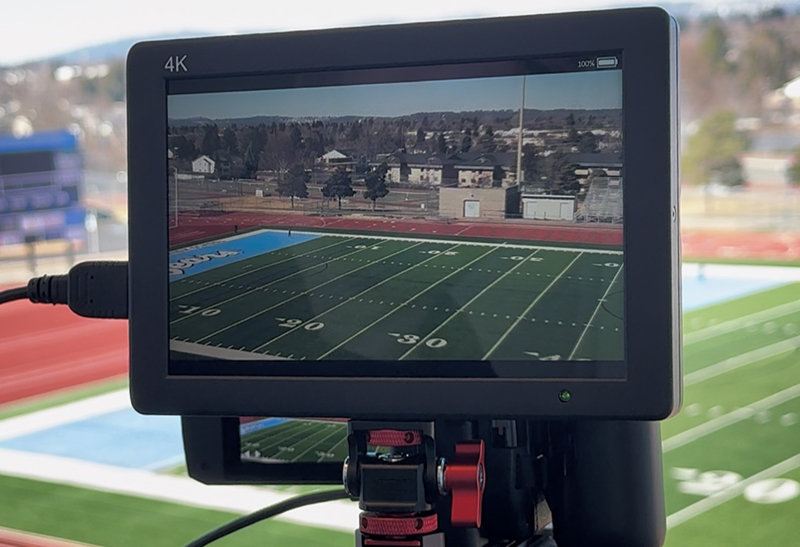
On Friday night, nobody cares how impressive your camera system looked in the catalog. They care whether you got clean, usable video before the next series starts. That is what makes the best football sideline camera setup different from a generic sports video rig. It has to work fast, stay stable, and fit the way football programs actually operate.
For most teams, the right setup is not the most complicated one. It is the one that gives coaches a clear angle, gets staff up and running in minutes, and holds up through travel, weather, and weekly use. If your video system slows down your workflow or creates one more problem for the sideline crew, it is not helping the program.
Football video serves more than one job. Coaches need a clean coaching angle for grading, teaching, and scouting. On game day, many programs also need video that feeds a replay platform such as Hudl Sideline, EDGE Replay, Game Strat, or SkyCoach. That changes what matters in the equipment.
Image quality matters, but not in the way many buyers first assume. You do not need a flashy setup full of features that look good on a spec sheet and create new failure points on the field. You need stable footage, enough elevation to see spacing and structure, dependable tripod support, and a camera that works well with your workflow.
That is why the best setup usually comes down to four pieces working together: the camera position, the support system, the optics, and the connection to your replay or upload process. If one of those pieces is weak, the whole system feels harder to use.
The first decision is where the camera belongs. For sideline use, most teams are deciding between a press box angle and a raised sideline angle. If you already have press box access with a clear view, a quality tripod setup there can be very effective. It gives you a familiar coaching angle and keeps the operator out of sideline traffic.
But not every venue gives you a usable press box location. Some fields have limited access, poor sightlines, or logistical issues that make setup harder than it should be. In those cases, a dedicated sideline system with enough elevation becomes the better answer.
Height changes the usefulness of the video. A camera that sits too low can make it hard to see route spacing, run fits, and defensive structure. A properly elevated system gives coaches a cleaner look at all 22 players developing within the frame. That is one reason many programs move to a taller sideline or end zone pole rather than relying on a basic consumer tripod at ground level.
There is some give and take here. Higher is generally better for visibility, but only if the system stays stable and practical to deploy. A tall system that sways, takes too long to assemble, or requires complicated controls can become a liability on game day.
A lot of football programs learn this the hard way. They buy around camera specs and end up fighting the support system every week. The footage may be sharp when the setup is still, but if the pole flexes too much or the tripod shifts under normal use, the video quality drops fast.
The best football sideline camera setup starts with stability because football does not happen in controlled conditions. You are working on turf, track, grass, uneven edges, crowded sidelines, and sometimes in wind. A stable tripod and pole system keeps the camera where it belongs and lets the operator focus on filming, not babysitting the hardware.
This is also where manual systems often make more sense than motorized or wireless-heavy designs. Motorized features can sound attractive, but they add complexity, battery dependence, and more points of failure. For football staffs that need equipment built to work every time, simple manual control is often the more dependable choice.
That does not mean every manual setup is equal. The engineering still matters. A good system should feel secure at full height, break down for transport without becoming a burden, and allow repeatable setup by different staff members, not just one person who knows all the tricks.
The camera itself still matters, but it needs to be matched to football use. Coaches need a clear, wide enough view to capture formations and play development without constantly fighting the zoom. Good optics help you hold detail across the field, especially when you are filming from elevation.
This is where buyers can get distracted by consumer camera marketing. More features are not always more useful. What matters is how quickly the camera gets on target, how dependable it is during a game, and whether it integrates cleanly with your team’s video workflow.
A practical football setup favors consistency. If your operator can frame the field quickly and get repeatable results every week, the camera is doing its job. If the system requires too much tinkering, it will create stress on game day and usually lead to missed clips or bad angles.
For many programs, the camera setup is only part of the purchase decision. The bigger question is whether it works with the replay and sharing tools the staff already uses. If your sideline system does not connect well with platforms like Hudl Sideline, EDGE Replay, Game Strat, or SkyCoach, the footage may be good but the workflow still breaks down.
That is why compatibility should be treated as a core requirement, not an afterthought. Coaches and technology staff need to know how the camera, mounts, cables, and support gear fit into the existing process. Fast upload and replay access can matter as much as the image itself.
This is also why specialized football systems tend to outperform generic video setups. A football-specific package is usually designed around the real operational question: can your staff set it up fast, capture clean video, and get it where it needs to go without drama?
For most high school teams, the strongest answer is not a single piece of gear. It is a complete filming system that covers both game day and practice. That often means a raised end zone solution for one angle, a press box tripod for another, and a shorter practice pole that is quick to move during the week.
That kind of setup gives a staff flexibility without overcomplicating operations. You can film games from the proper elevated positions, keep a reliable box angle, and still have a practical solution for daily practice filming. Programs replacing older equipment often find that a bundled system creates better value than piecing together unrelated components over time.
This is where product design matters. A good football filming package should be portable enough for travel, durable enough for repeated use, and simple enough that non-technical staff can handle setup. If the system only works smoothly when your most experienced video person is present, it is too fragile operationally.
Game Day Endzone focuses on this kind of practical build philosophy because football staffs do not need more moving parts. They need dependable support systems, quality optics, and equipment that fits real coaching workflows.
The easiest mistake is buying for novelty instead of reliability. If a system promises a lot but asks you to trust batteries, wireless controls, or light-duty support hardware every week, be careful. Football seasons are long, schedules are tight, and sideline conditions are rarely ideal.
Another common mistake is underestimating setup time. A camera solution can look strong in theory and still be a poor fit if it takes too long to deploy. Teams benefit from systems that can be set up in less than 5 minutes because that speed lowers stress and makes the process easier to repeat.
Finally, do not judge value by price alone. Cheap equipment becomes expensive when it fails during the season or has to be replaced early. Better support engineering and football-specific design often save money over time because the system keeps working when you need it.
The right choice depends on your field access, staffing, and workflow. If you have dependable press box space, that may be part of the answer. If your venues vary or your sightlines are inconsistent, a raised sideline or end zone solution may carry more value. If your sideline replay process is central to game-day decision-making, platform compatibility has to stay at the front of the conversation.
A good buying question is not, what has the most features? It is, what will our staff trust in the second quarter, on the road, with limited time and a lot going on? That question usually leads you toward stable support systems, straightforward controls, quality optics, and a setup designed specifically for football.
When your camera system fits the way your program works, video becomes one less thing to worry about and one more tool your coaches can count on every week.