
April 13, 2026
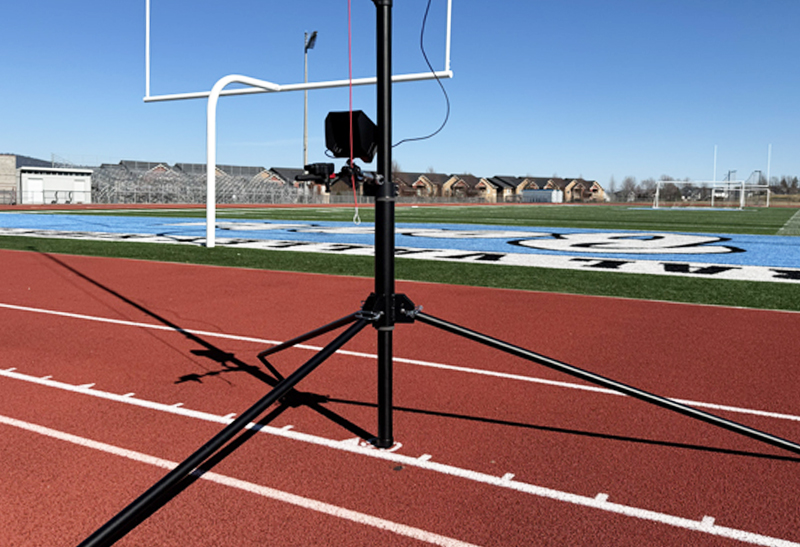
Friday night starts in a hurry. One late bus, one wet sideline, one shaky tripod, and suddenly your staff is fighting the camera instead of coaching the game. That is why the best football filming equipment is not just about image quality. It is about getting clean, usable video every time, with a setup your staff can trust under pressure.
For most football programs, the right equipment comes down to one question: will this system help us capture the angles we actually need for coaching, replay, scouting, and player development? A flashy feature list does not matter much if the footage is unstable, the setup takes too long, or the system fails in the middle of the first quarter.
A complete football filming setup usually has four core parts: an endzone camera system, a press box or sideline filming position, a stable tripod, and an optics package that gives you enough clarity to coach from the video. If you are trying to build a reliable workflow, those pieces matter more than add-on gadgets.
The endzone angle is where many programs gain the most value. It gives coaches a clear look at spacing, blocking structure, pursuit angles, and route development. A 25-foot endzone camera system is a practical sweet spot for many teams because it gets the camera high enough to see the field develop without creating a complicated setup that eats up your pregame routine.
The press box angle still matters too. It gives you your wide tactical view, and it often becomes the primary game copy for staff review and uploads. That means your tripod and camera support system need to be stable enough to hold position through wind, quick pans, and long filming sessions.
Practice is the third piece that gets overlooked. Programs that film individual periods, team sessions, and inside run work consistently can coach faster because they are not waiting until Saturday to correct issues. A lighter 10-foot practice pole or portable elevated setup makes more sense here than dragging game-day equipment to every drill.
If the camera shakes, the footage loses value fast. Coaches do not need cinema. They need clean, stable, readable video. That makes tripod engineering one of the most important buying factors, even though it is often treated like an accessory.
A football tripod has to do more than hold weight. It needs to stay planted on uneven ground, resist sideline traffic, and give the operator smooth control. Cheap tripods can look fine in a product photo, then flex, drift, or vibrate once the game starts. That kind of movement is hard to fix later, and it makes replay and postgame breakdown less efficient.
This is also where teams should be careful with very tall systems that promise a lot but require too much compromise in setup speed or stability. More height is not automatically better. It depends on how stable the platform is, how easy it is to transport, and whether your staff can deploy it quickly with confidence.
Motorized and wireless camera systems sound attractive on paper. In real football operations, they can create more points of failure than many programs want to manage. Batteries die, wireless connections drop, controls lag, and troubleshooting starts taking attention away from the game.
Manual control systems are still the right answer for many schools and teams because they are straightforward and dependable. If your goal is to set up fast, film cleanly, and integrate with your existing replay or upload process, simple usually wins. The best equipment is often the gear your staff can operate correctly every week, even when the weather is bad and the schedule is tight.
That trade-off matters. If you have a large video department and dedicated operators, you may be able to support more complexity. Most high school programs are better served by equipment built to work every time without extra layers of technology getting in the way.
Programs sometimes overbuy on camera specs and underbuy on the support system around them. Resolution matters, and good optics matter even more, but football video is only useful if coaches can clearly identify alignments, leverage, landmarks, and player movement.
That means a reliable lens, a stable image, and a practical field of view usually beat chasing the highest possible spec sheet. A camera with strong optics mounted on a stable endzone or press box system will usually deliver more coaching value than a premium camera sitting on an unstable platform.
Low-light performance can matter for late-season games, especially for high school programs playing under inconsistent stadium lighting. But even there, the answer is balance. You want a system that performs well enough in real conditions, not a setup that is so expensive or complicated that your staff hesitates to use it fully.
The best football filming equipment needs to fit into the workflow your staff already uses. If your program depends on Hudl Sideline, EDGE Replay, Game Strat, or SkyCoach, your filming setup has to support that process instead of slowing it down.
This is where equipment buyers should think beyond the camera itself. Ask how the footage gets captured, how quickly it can be transferred, and whether your operator can manage the system without extra troubleshooting. A good filming setup supports the whole job, from first kickoff to final upload.
For many programs, that is why bundled systems make sense. Instead of patching together unrelated parts, you get equipment designed to work as a complete solution for games and practice. That usually saves time, reduces compatibility headaches, and gives the staff a repeatable routine.
Start with your use case, not the catalog. A varsity program filming home games, away games, and daily practice has different needs than a smaller team that only wants a better game-day angle. The right setup depends on how often you film, who operates the system, and how important replay access is during the game.
If your staff is small, portability and setup speed should carry a lot of weight. Equipment that sets up in less than five minutes is not just a convenience. It reduces stress and makes it more likely your team will actually use the system correctly every week.
If you already have a replay platform in place, prioritize compatibility and operator simplicity. If your biggest issue is poor endzone footage, invest there first. If your current camera image is acceptable but your support system is unstable, fix the tripod and mounting solution before replacing everything else.
Durability should stay near the top of the list. Football filming equipment gets loaded into trucks, carried across fields, set up in bad weather, and handled by different staff members over time. Gear built for occasional casual use will not hold up the same way equipment designed specifically for football operations.
For many programs, the strongest setup is not the most complicated one. It is a dependable elevated endzone system, a stable press box tripod, quality optics, and a practice solution that is easy to move and deploy. That covers the key angles coaches need without making the workflow harder than it has to be.
That is also why specialized football systems tend to outperform general-purpose camera gear. Football has specific demands: wide-field visibility, repeatable height, quick setup, sideline durability, and clean integration with replay and coaching platforms. Equipment built around those demands gives teams a better return than trying to force consumer gear into a football job.
Programs looking for that kind of setup often end up choosing systems like those offered by Game Day Endzone because the design priorities match real football operations - stability, portability, premium optics, straightforward manual control, and compatibility with the tools staffs already use.
Price matters, of course. But the cheaper system is not really cheaper if it costs your staff time, misses key reps, or needs to be replaced early. Value in this category comes from equipment that performs consistently over multiple seasons.
The right purchase usually feels less exciting than people expect. It is not the one with the longest feature list. It is the one your staff trusts on game night, your operators can handle without drama, and your coaches can use immediately when the film matters most.